Royal Necropolis of Saint‑Denis: Effigies and Memory
Explore how effigies, tomb layout, and processional routes shaped royal memory and political theology at Saint‑Denis.
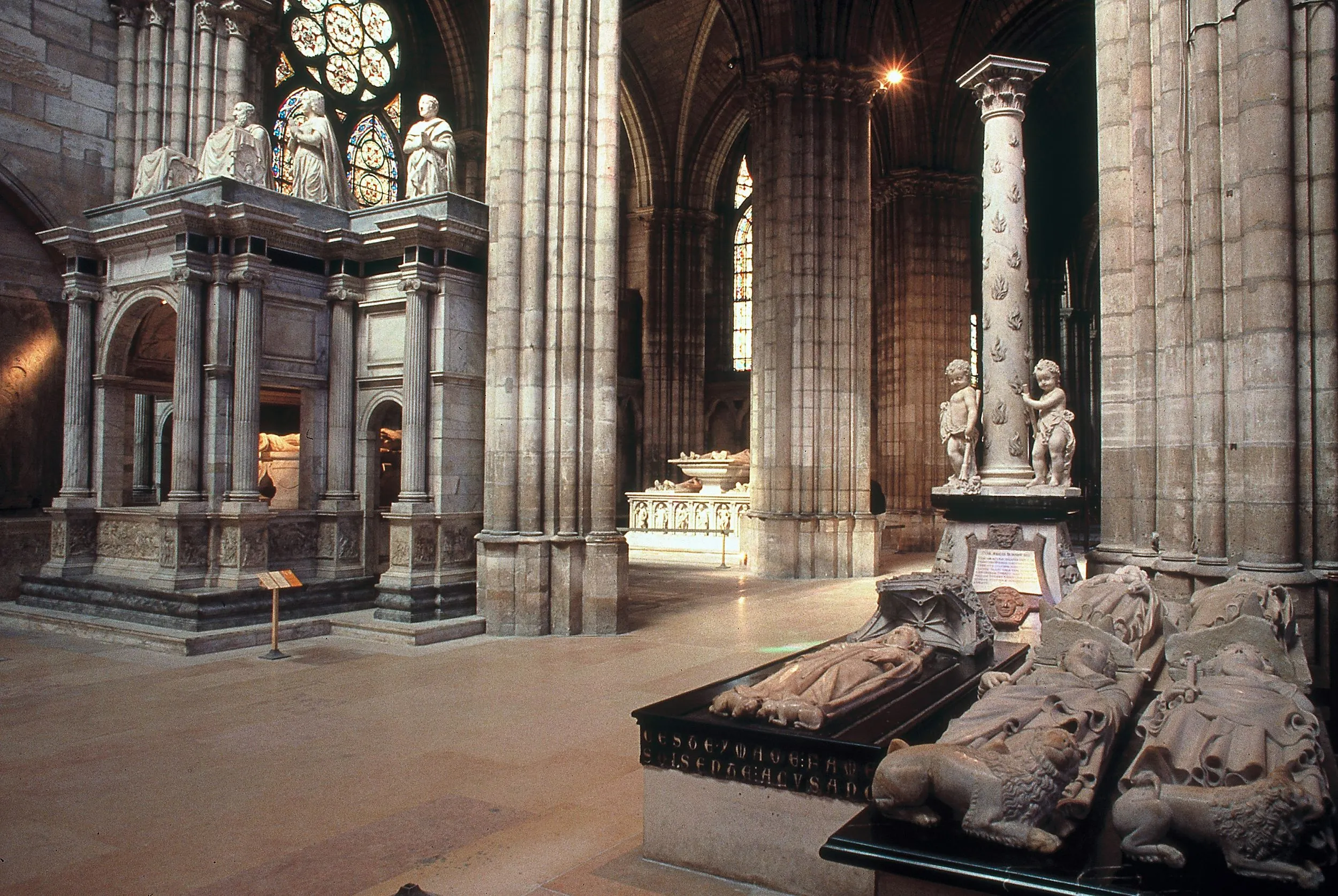
Saint‑Denis gathers kings and queens into a political sanctuary. The necropolis is a script carved in stone: recumbent effigies with open eyes (eternally praying), scepter and sword (authority), and lions (fortitude) at their feet. Memory is made visible, tangible, and performative.
Context & Overview
From the Capetians to later dynasties, burials consolidate power, continuity, and theological messaging. Tomb placement, sightlines, and processions embed political theology within devotion.
🧭 Spatial Logics of Memory
- Processional axes: Routes weave liturgy through tomb clusters and altars.
- Visibility gradients: High dynastic figures anchor central sightlines.
- Adjacency: Dynasty and marital ties structure proximity.
- Threshold cues: Entry points prepare viewers for reading the necropolis.
🗿 Effigy Grammar
- Posture: Recumbent, hands joined — devotion in perpetuity.
- Regalia: Crown, orb, scepter — signals to viewers and rituals.
- Bestiary: Lions, dogs — virtue and fidelity under guard.
- Open eyes: A theological sign: perpetual prayer before God.
| Motif | Meaning | Placement |
|---|---|---|
| Crown | Sovereignty | Head |
| Lion | Fortitude | Feet |
| Sword | Justice | Body |
| Dog | Fidelity | Feet |
👣 Ritual & Viewing
- Stations: Tombs punctuate processions with pauses and prayers.
- Readings: Effigy inscriptions guide voices and memory.
- Angles: Low viewpoints favor intimacy; axial views deliver pageantry.
📸 In Context
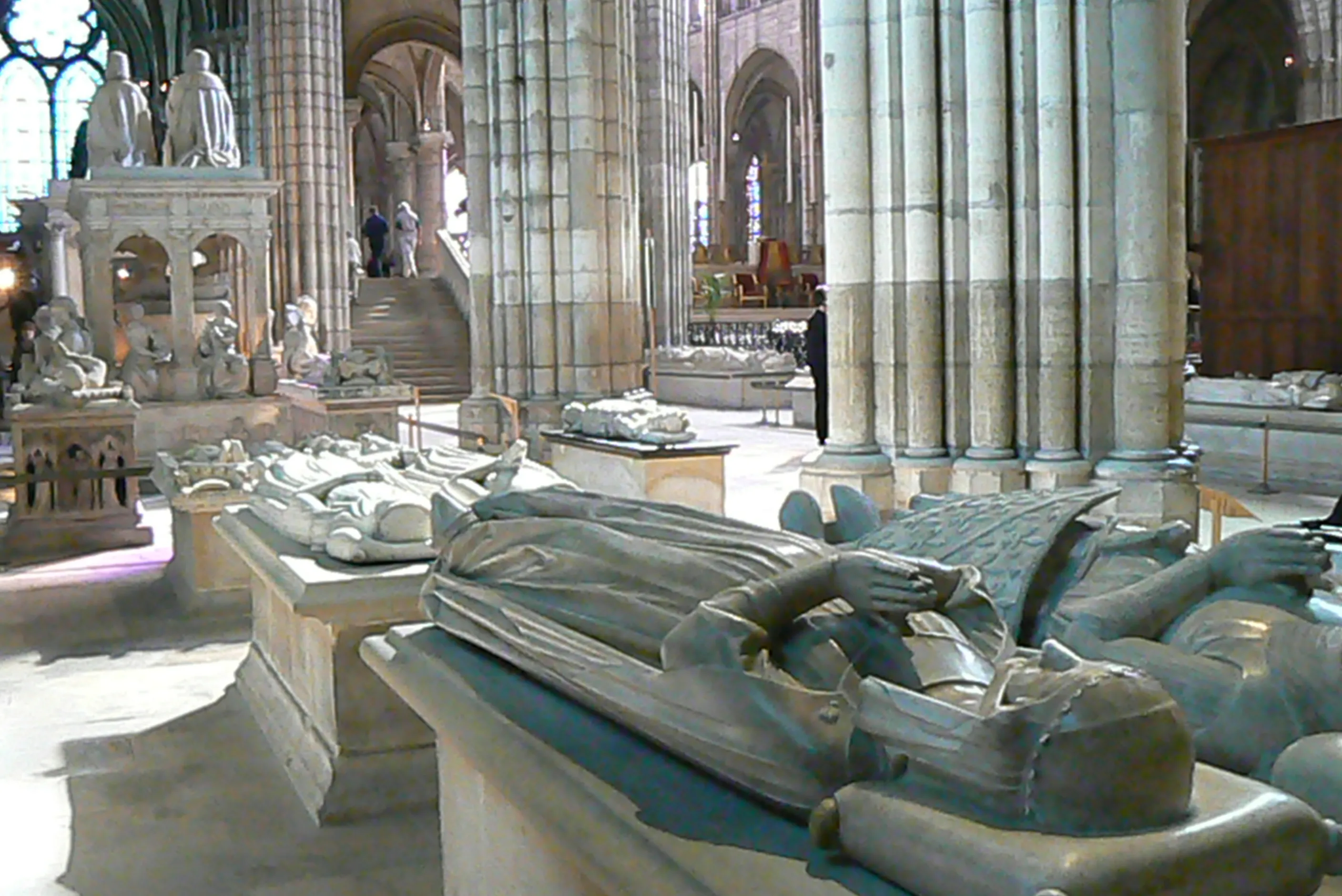
The necropolis is theater: stone remembers, and ritual re‑enacts.
[^burials]: Successive burials articulate changing political narratives while preserving dynastic continuity; iconoclasm and restorations add layers to this memory field.
저자 소개

Medieval Historian
파리를 사랑하는 여행 작가로서, 고딕의 빛이 태어난 순간부터 왕실 기억의 친밀한 존재까지—생드니와 연결될 수 있도록 이 안내서를 만들었습니다.
Tags
Comments (0)
Loading comments...