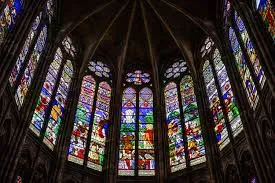
Abbot Suger and the Birth of Gothic Light
How Suger’s theology of light became spatial strategy, turning Saint‑Denis into the manifesto of Gothic clarity and radiance.
→
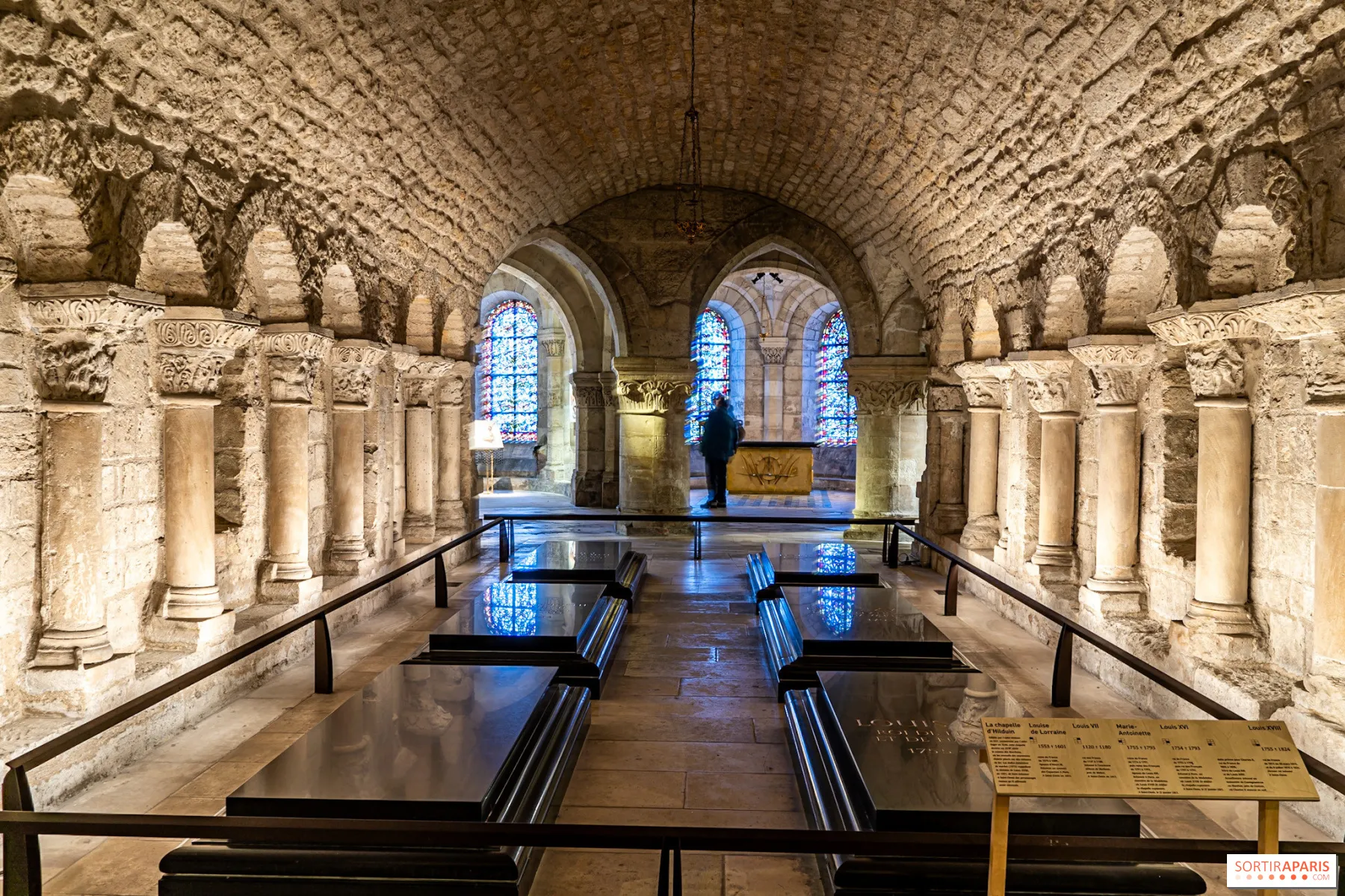
Crypt Archaeology: Layers of Faith Beneath the Choir
From martyrs to monarchs: how the crypt layers time, devotion, and structure beneath Saint‑Denis’s luminous choir.
→
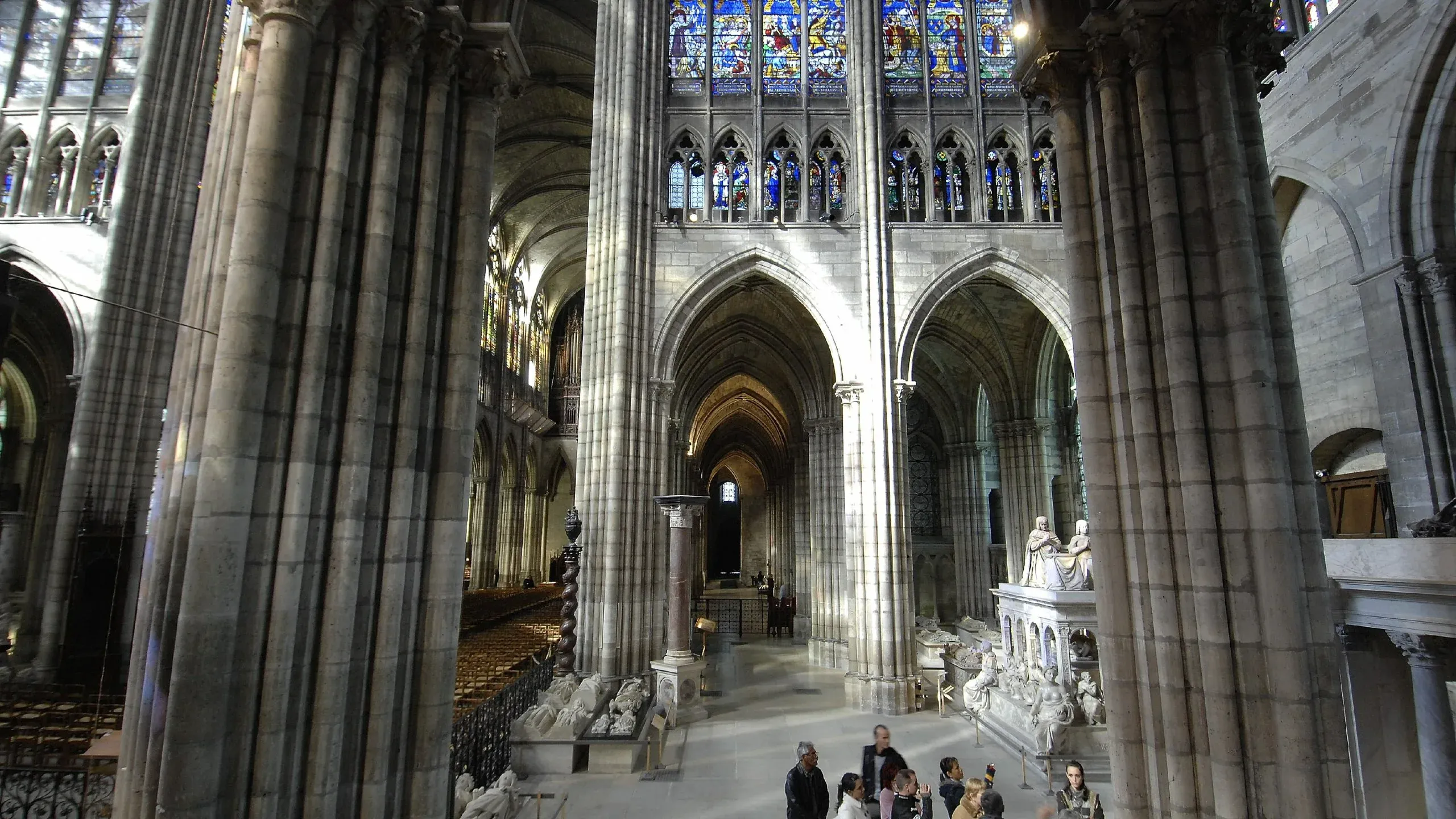
Nave Structure: Rib Vaults, Bays, and Proportions
Inside the nave: how ribs, bays, and pointed geometry orchestrate forces and sightlines at Saint‑Denis.
→
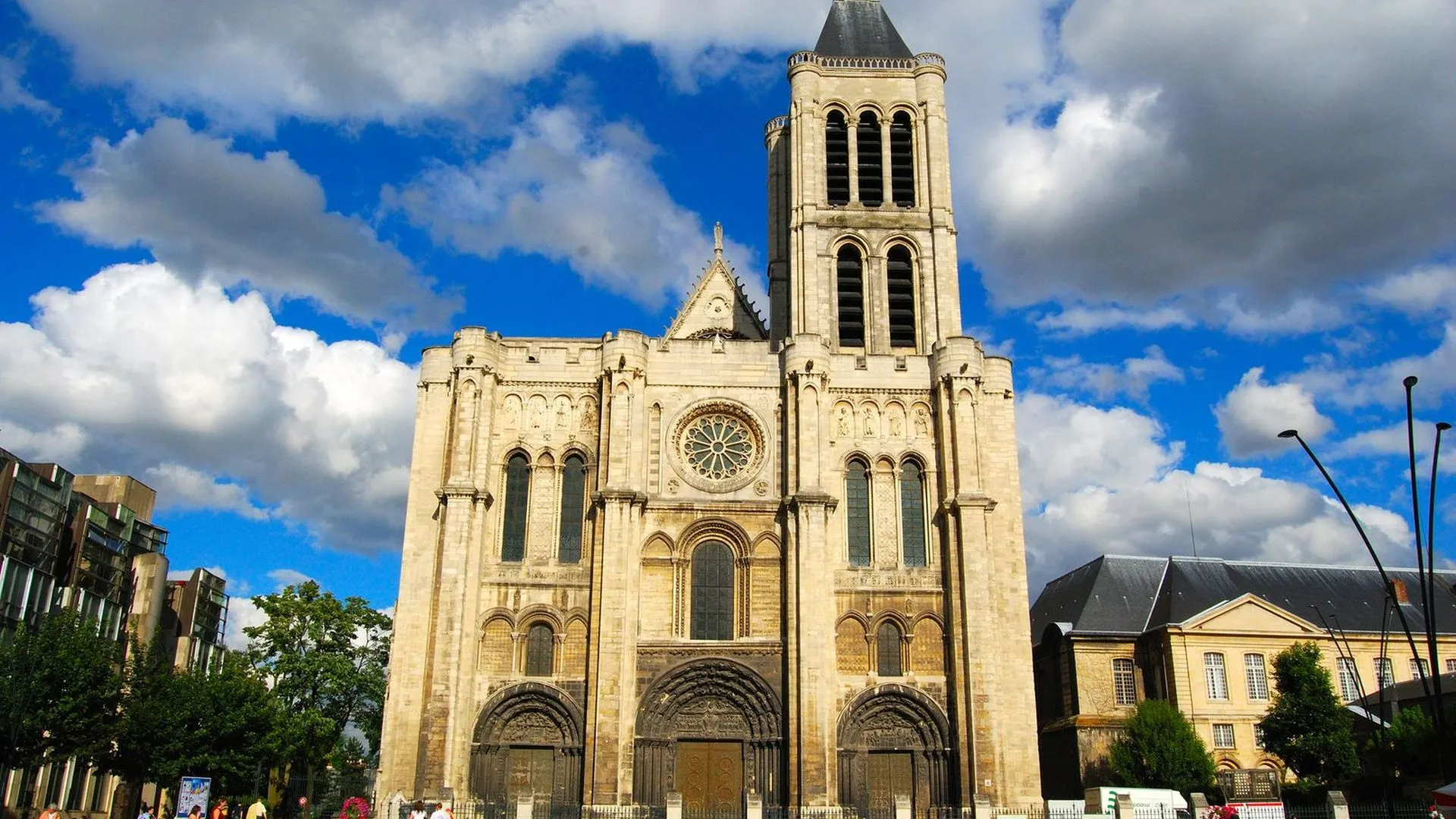
Facade and Towers: The Absent Spire Debate
Reading Saint‑Denis’s west front: composition, tower asymmetry, and the long debate about the missing spire.
→
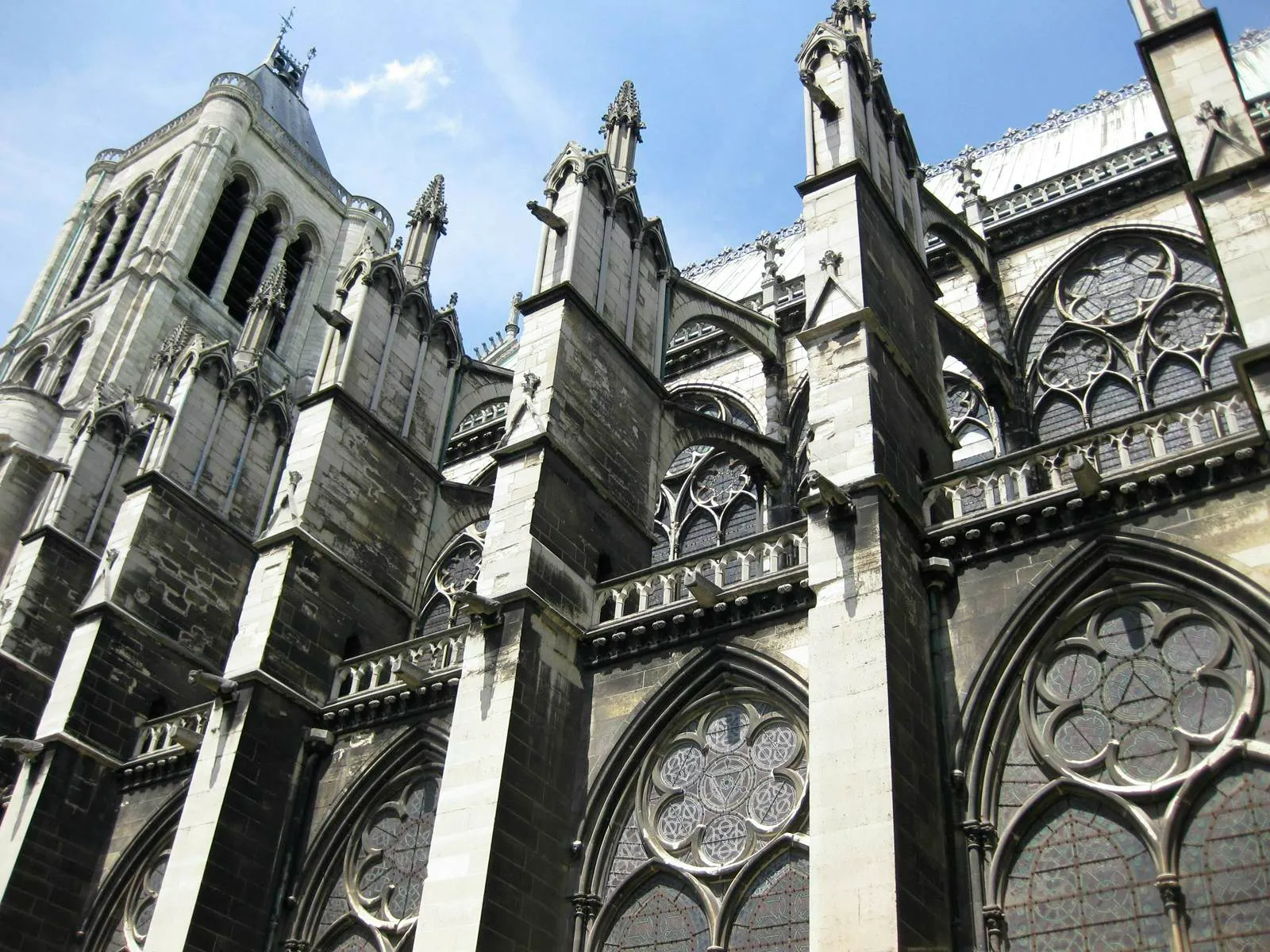
Materials: Limestone, Mortar, and Weathering
Stone behavior 101: quarry choices, mortar chemistry, and how weather carves time into Saint‑Denis.
→
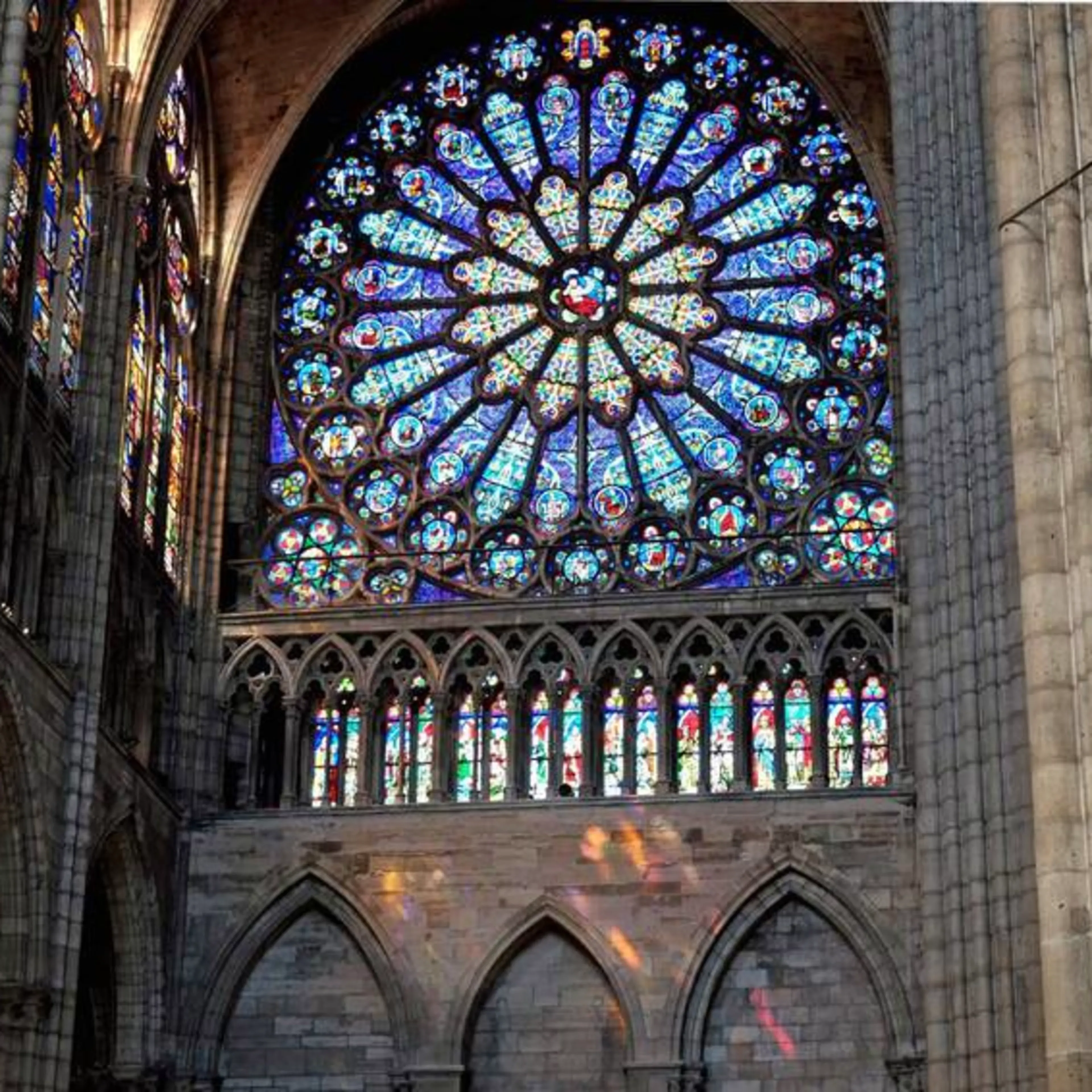
Abbot Suger’s Program: The Theology of Light
Beyond aesthetics: Suger’s texts, gilding, and the metaphysics of light shaping the choir at Saint‑Denis.
→
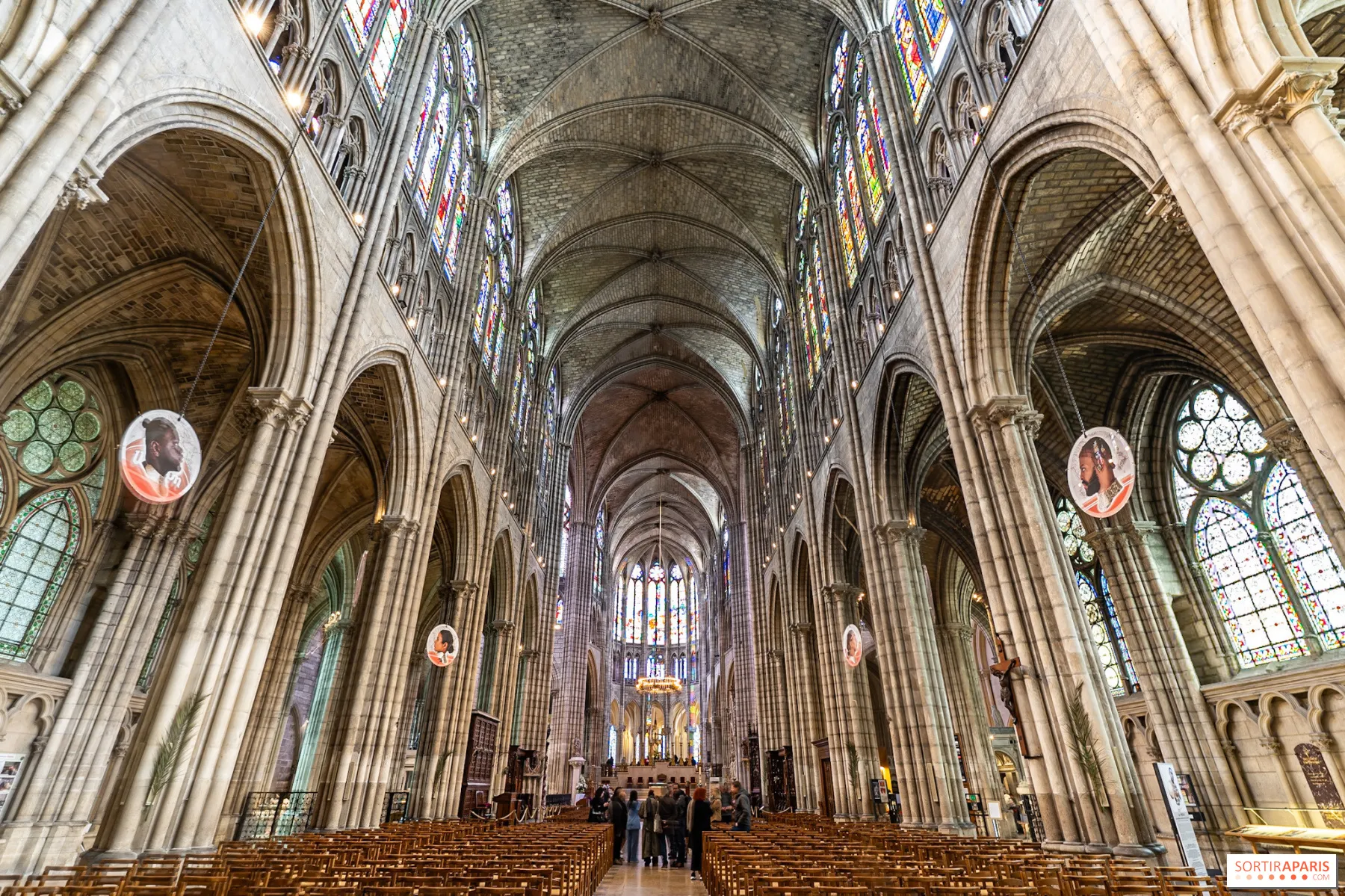
The Choir: An Early Gothic Experiment
How the choir’s ambulatory and chapels prototype Gothic transparency and bay logic at Saint‑Denis.
→
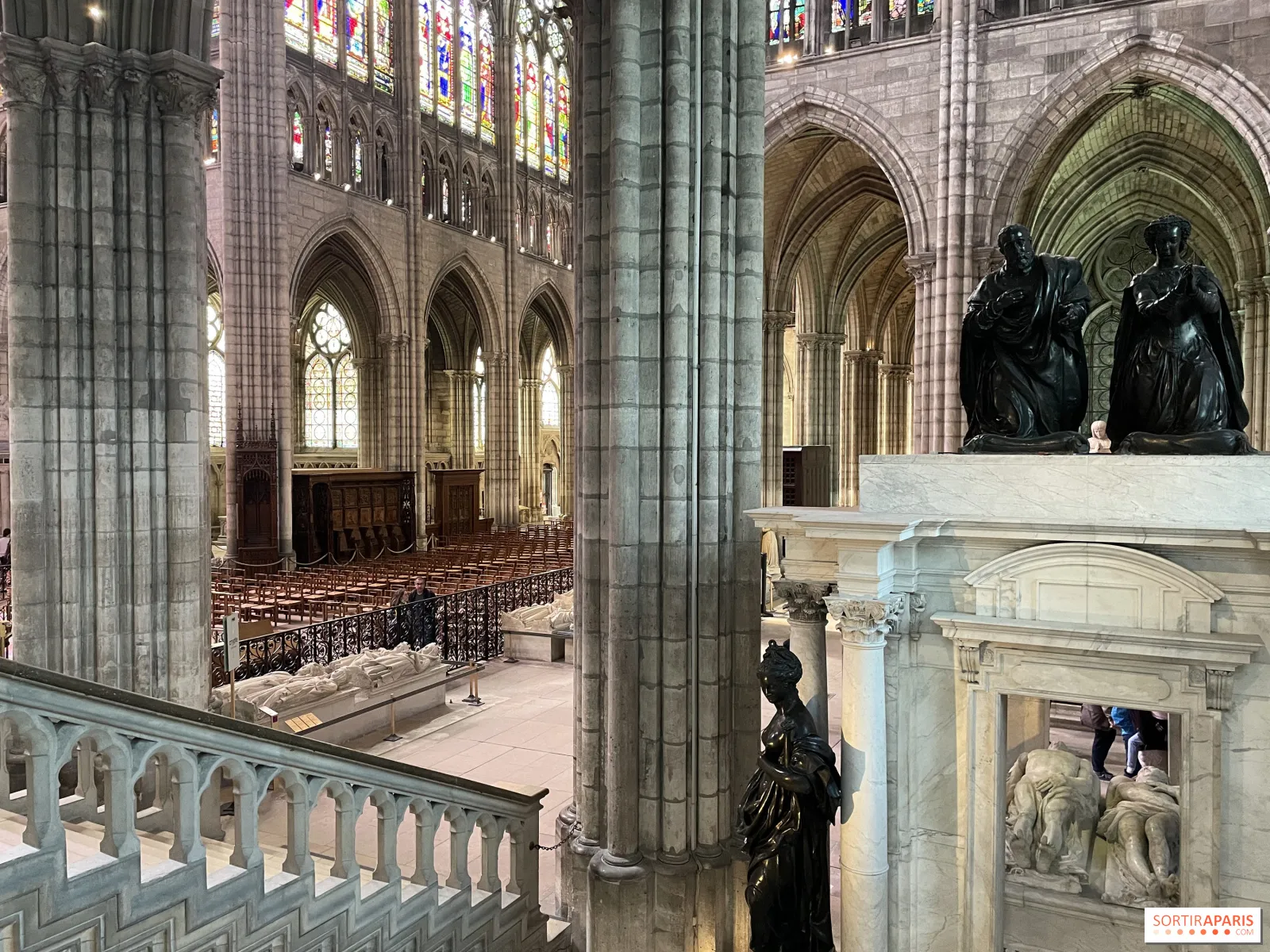
Columns and Piers: Reading Load Paths
Profiles, capitals, and bases: how columns and piers carry vaults and organize the nave at Saint‑Denis.
→
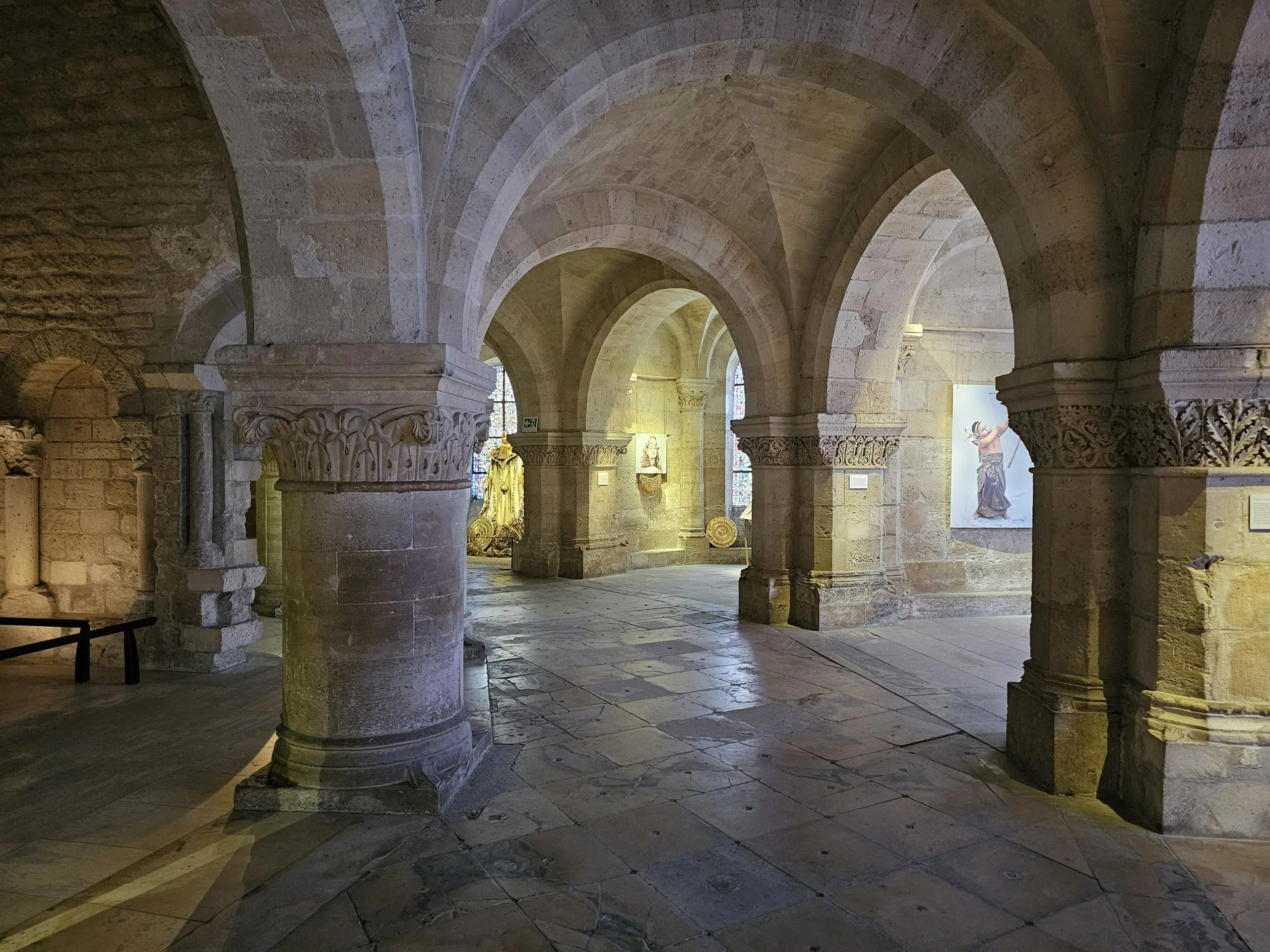
Crypt Lighting and Acoustics
How light and sound shape intimate devotion in the crypt: candles, shadows, and resonance at Saint‑Denis.
→
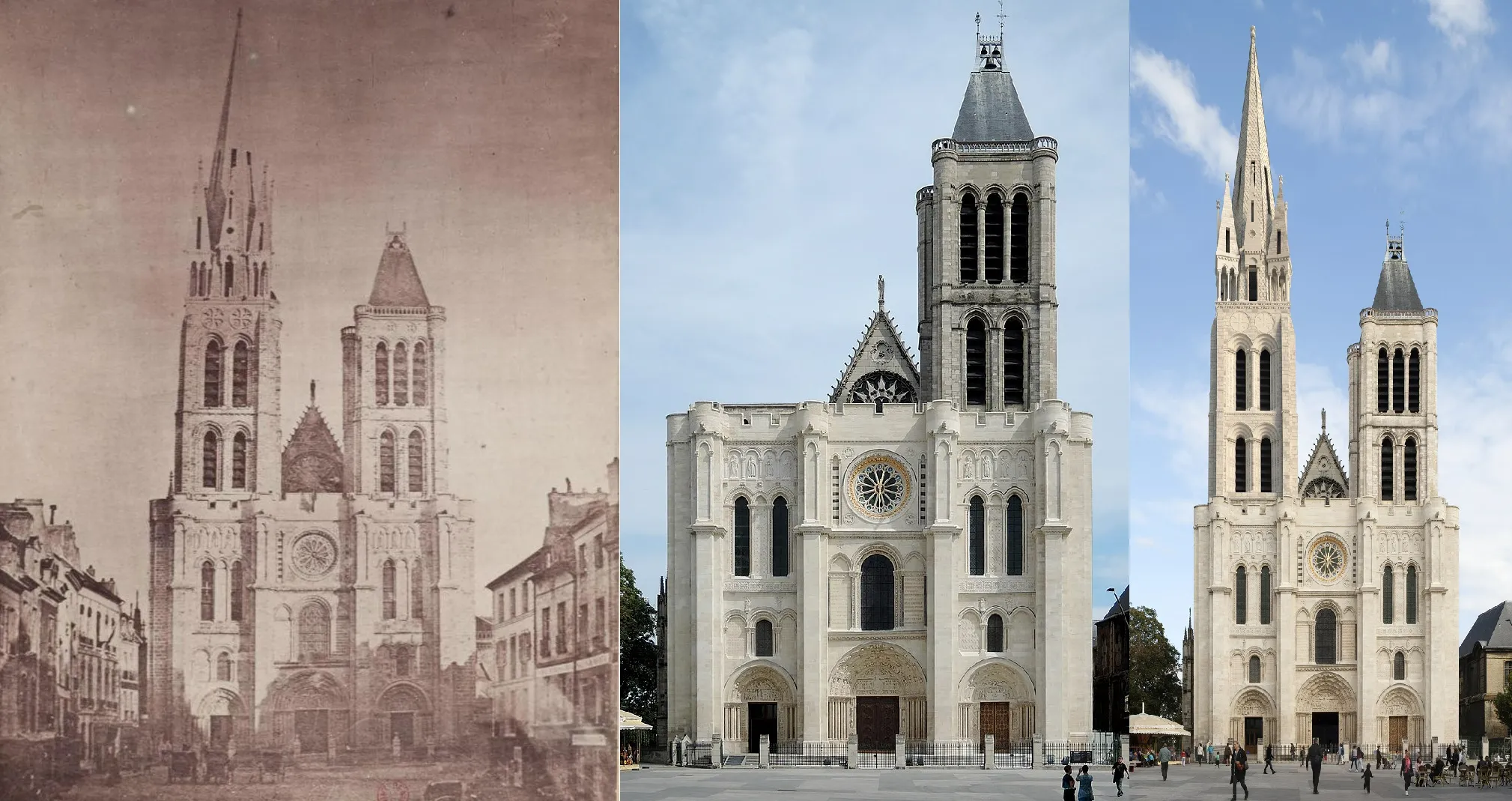
Comparative Gothic: Saint‑Denis vs Chartres
Prototype and paradigm: comparing Saint‑Denis’s choir transparency with Chartres’s mature structural and iconographic systems.
→
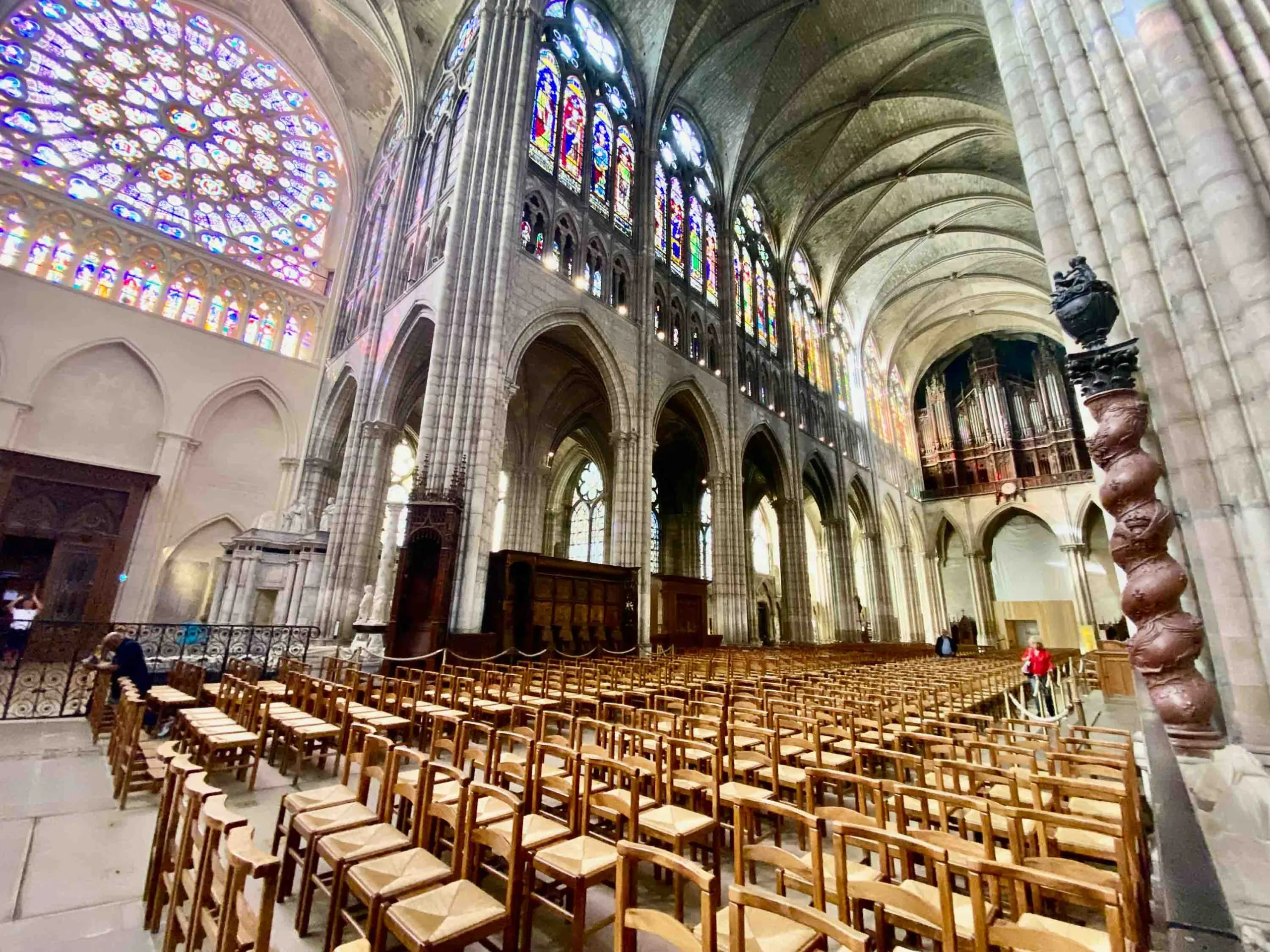
Ambulatory Chapels: Devotional Petals
Radiating chapels as petals: how the ambulatory choreographs distributed devotion around the shrine at Saint‑Denis.
→
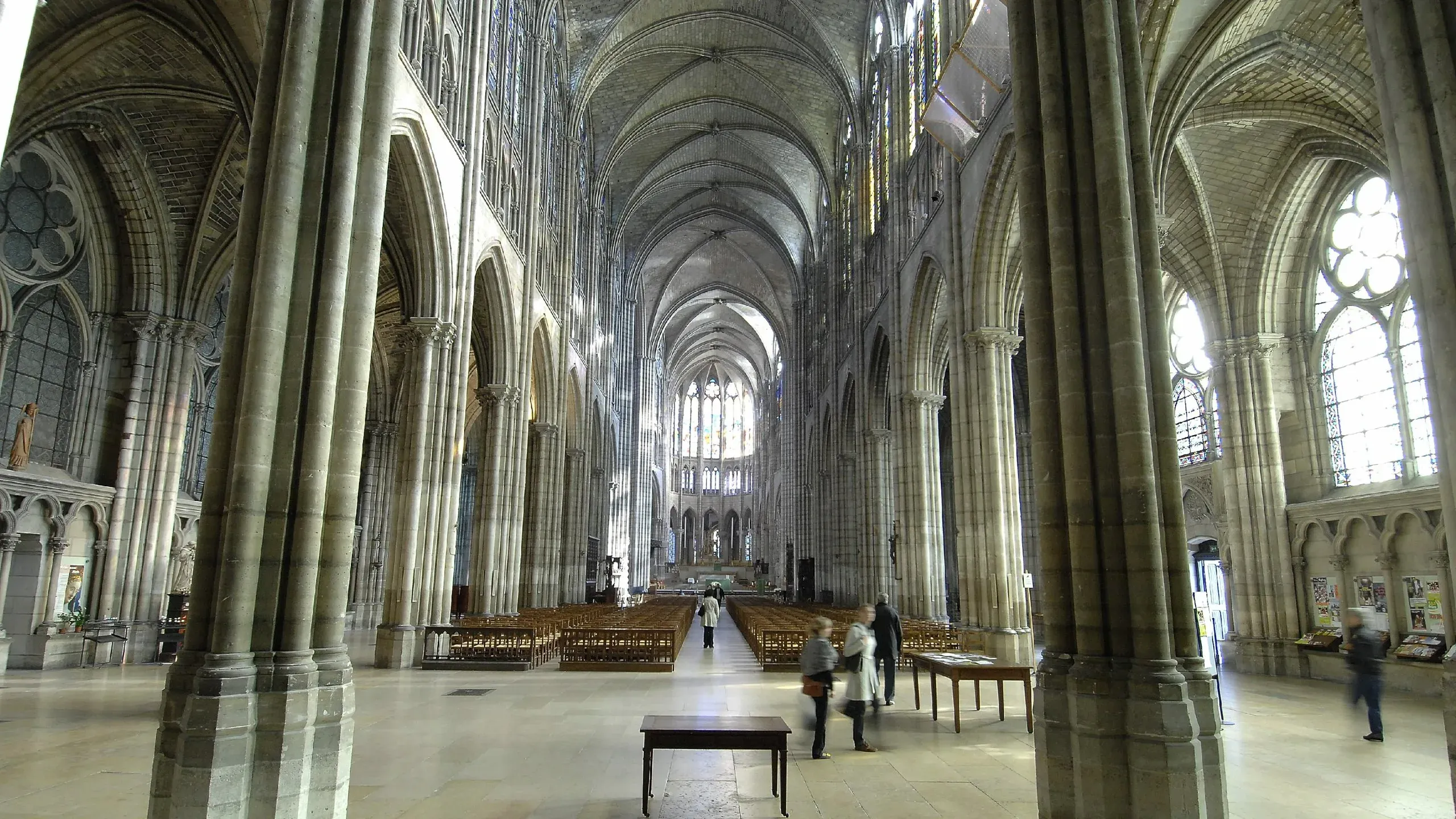
Nave: Visual Rhythm and Sightlines
How bay repetition, clerestory bands, and pier profiles align vision and movement along the nave at Saint‑Denis.
→
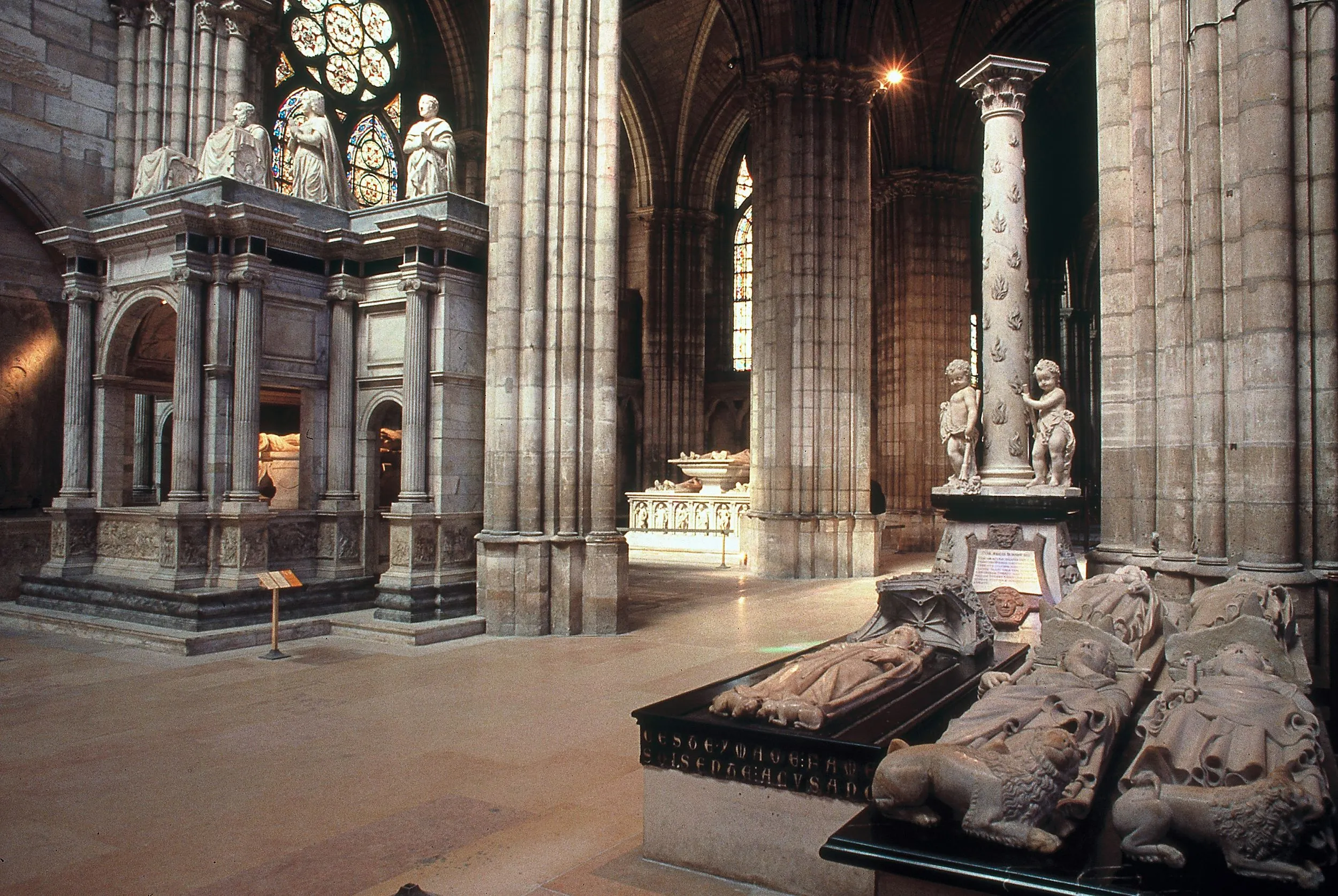
The Royal Necropolis: Effigies, Memory, and Power
Inside France’s royal cemetery: effigies as political theology, spatial order, and the choreography of remembrance at Saint‑Denis.
→
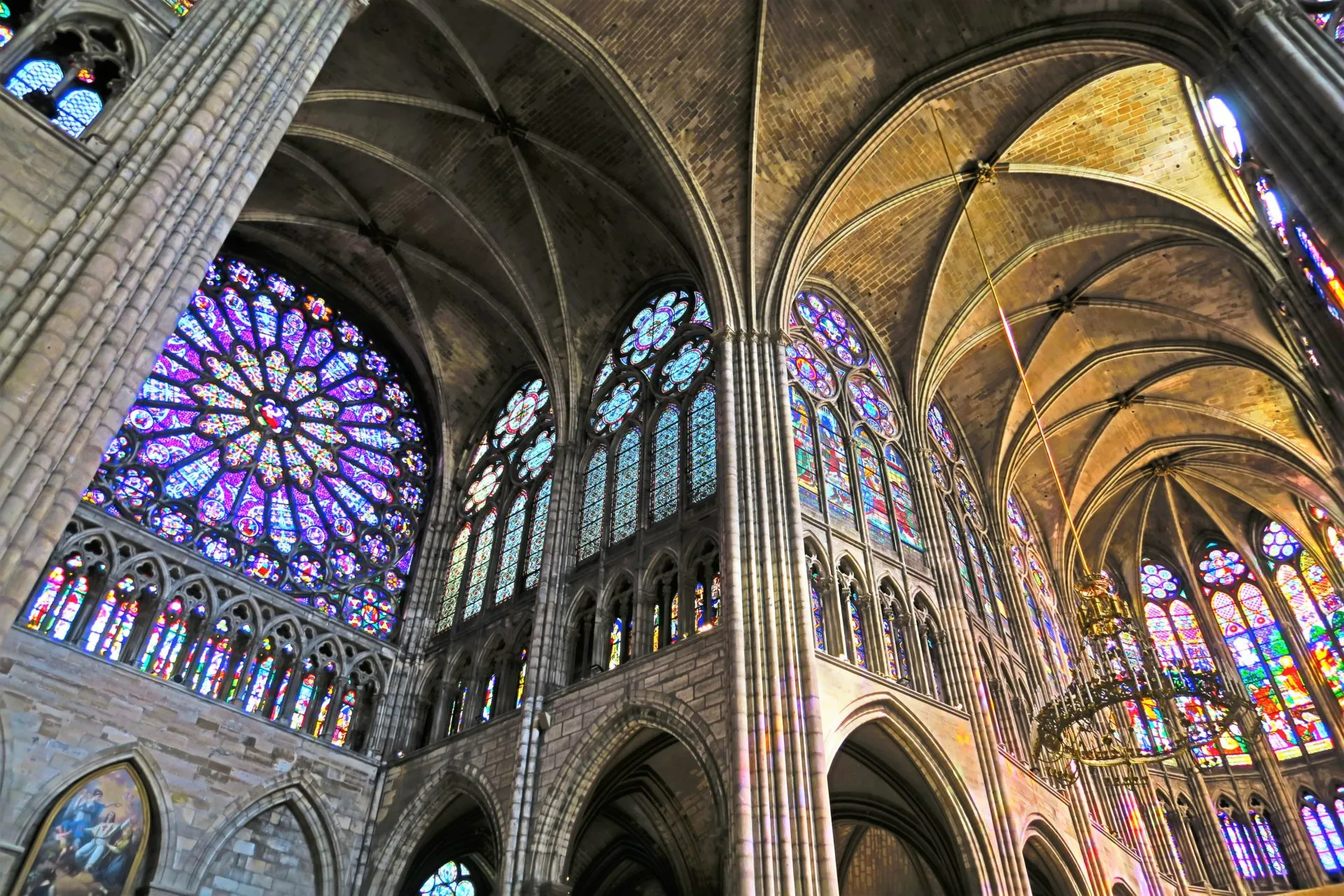
Stained Glass Program: Iconography and Color
Color as narrative: decoding cycles and chromatic hierarchies in Saint‑Denis’s stained glass program.
→
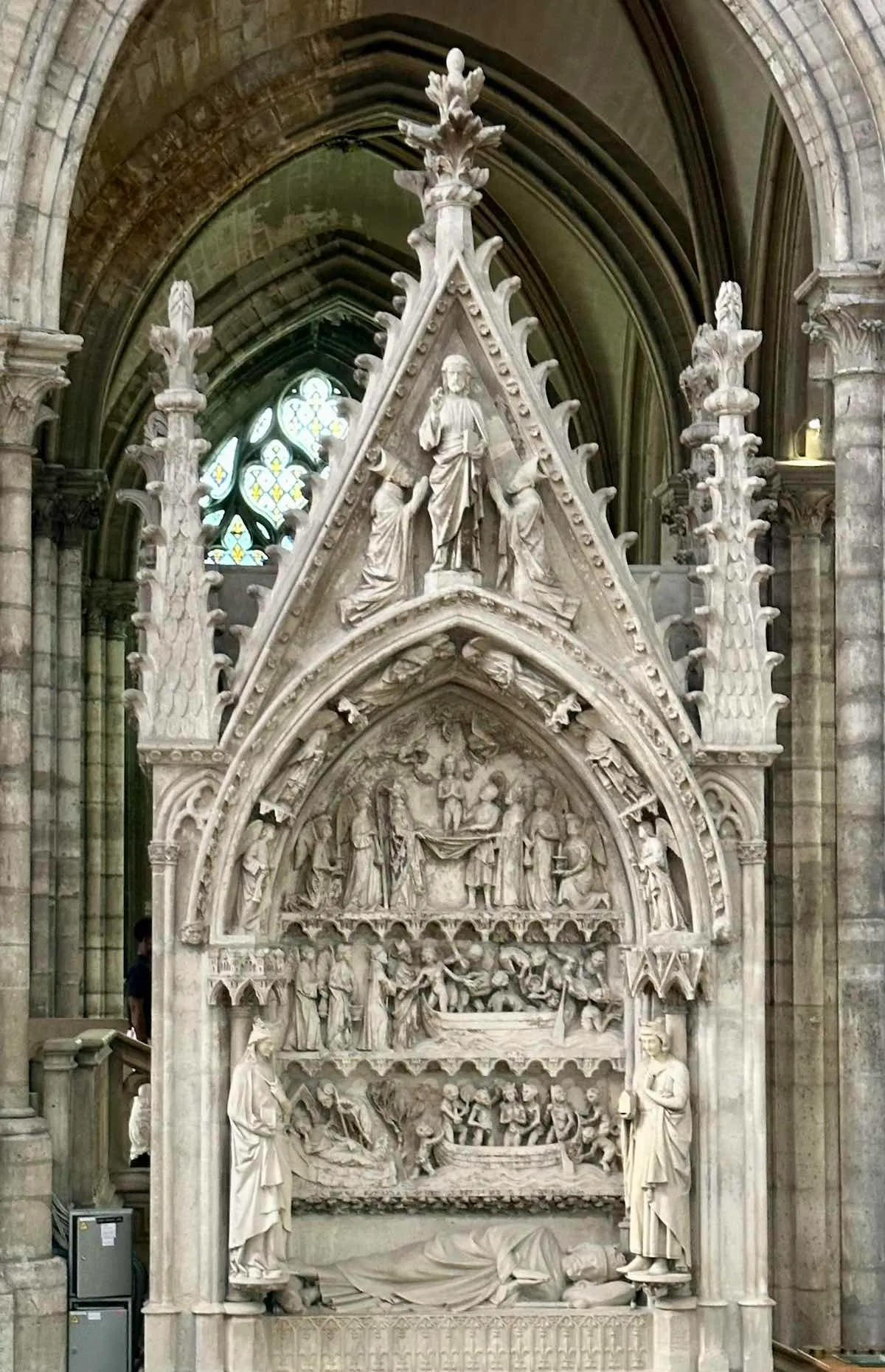
Sculpture Program: Capitals, Portals, and Low Relief
Stone narration: how capitals, portals, and low‑relief carving teach doctrine and guide movement at Saint‑Denis.
→
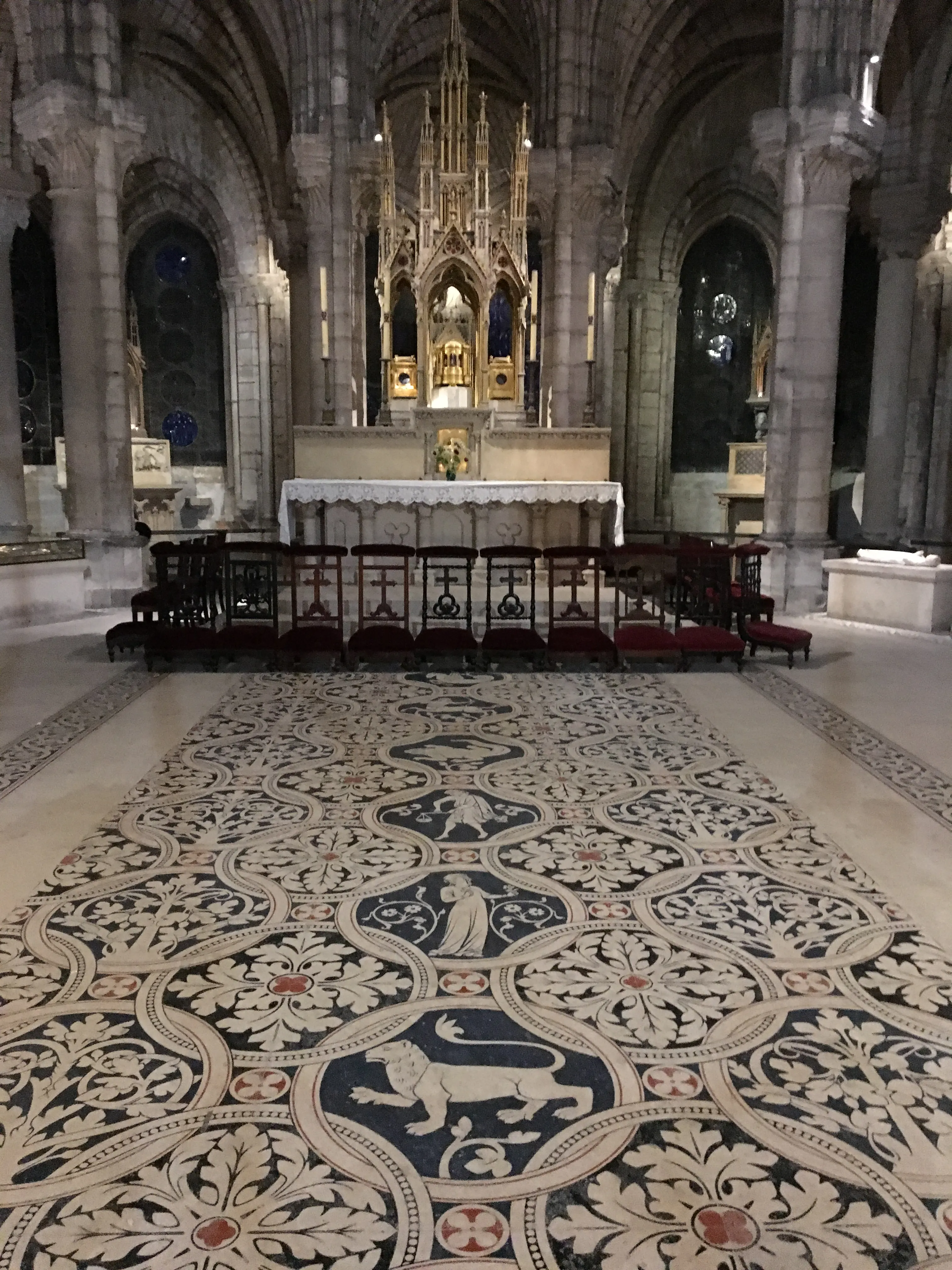
Liturgy and Processions: Spatial Choreography
From nave to choir: how paths, pauses, and sightlines shape the liturgical body at Saint‑Denis.
→
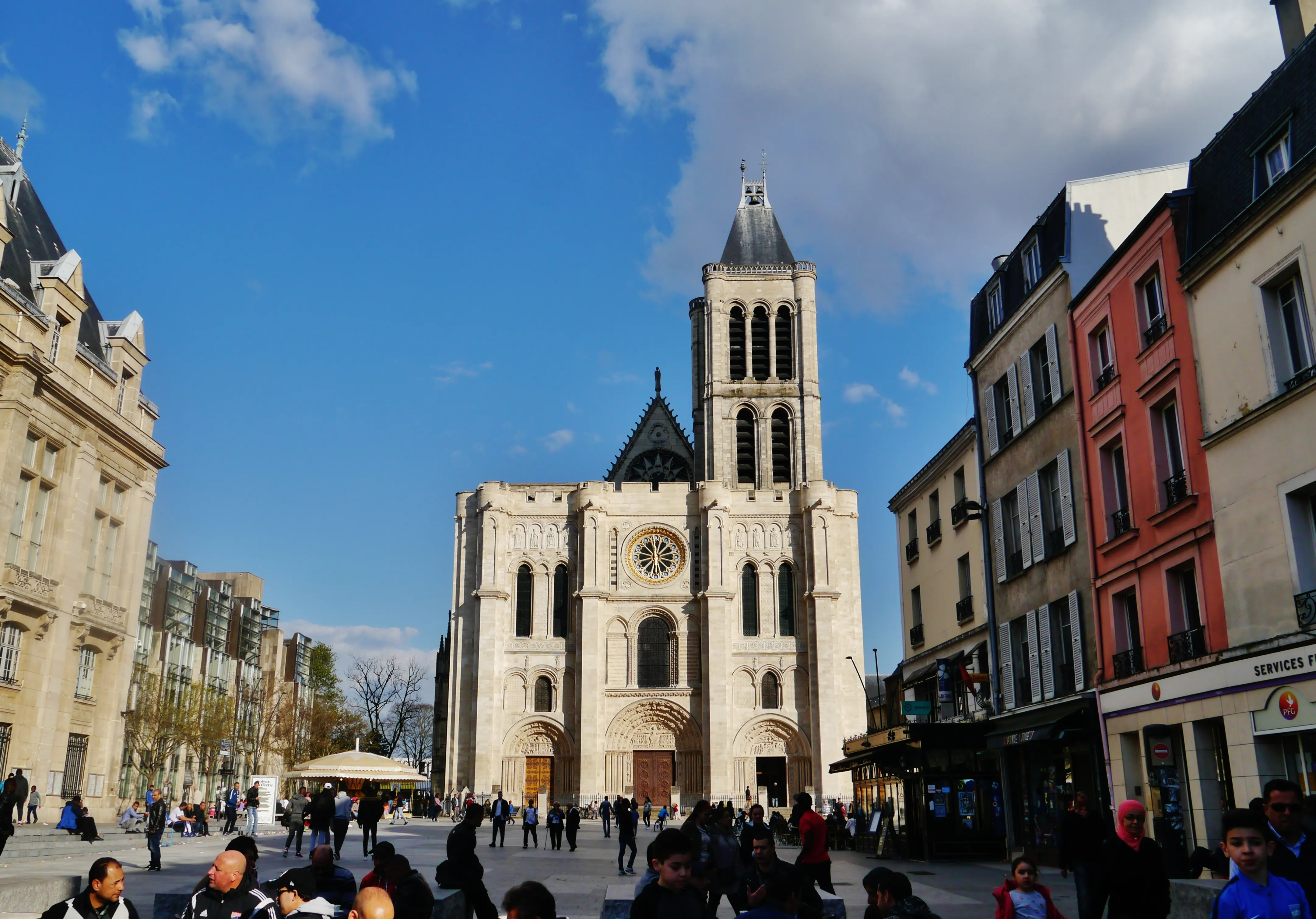
Restoration Histories: From Revolution to Modern
Traces of loss and repair: what the Revolution changed, and how modern conservation negotiates authenticity at Saint‑Denis.
→
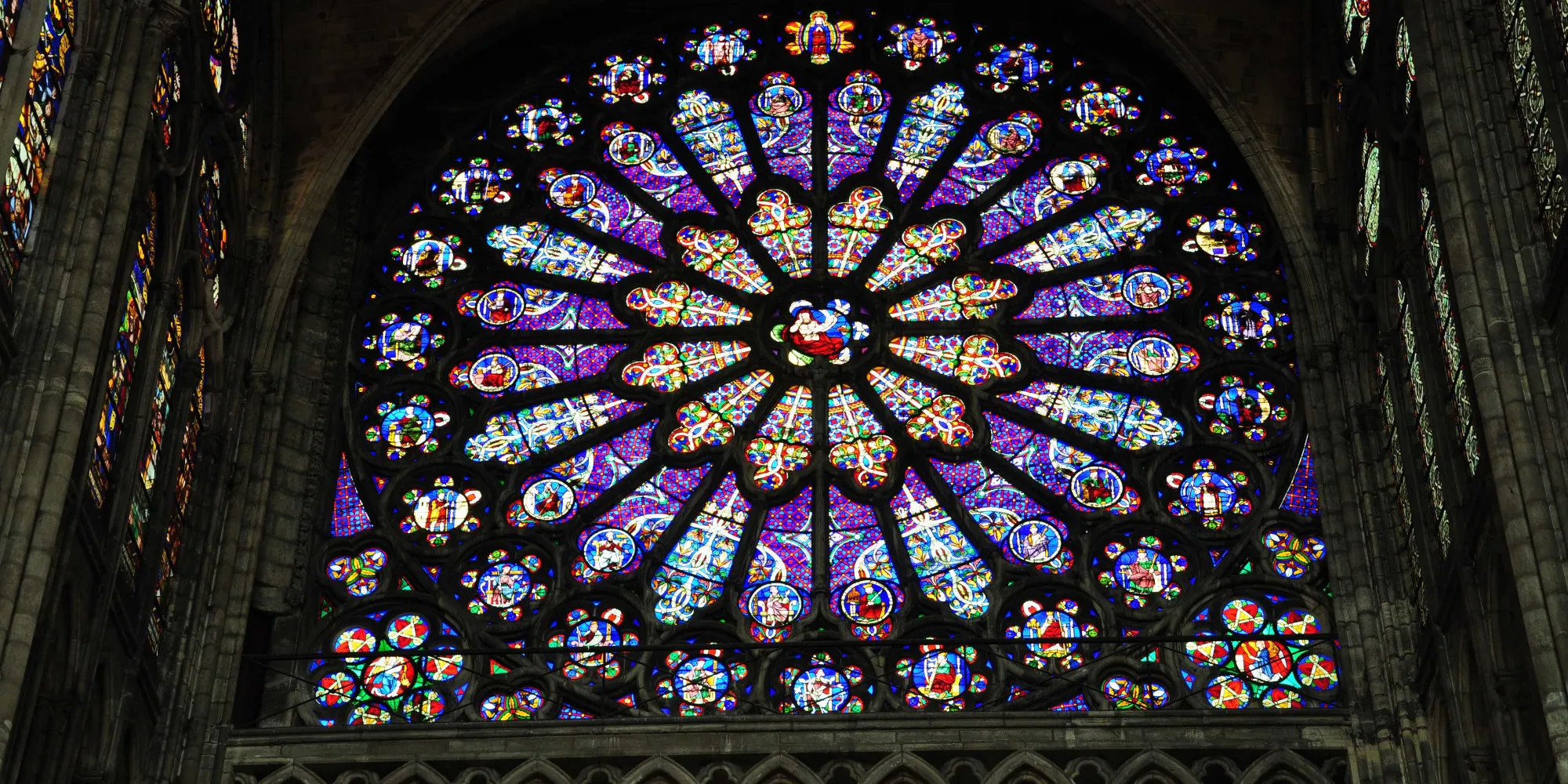
The Rose Window: Geometry and Symbolism
Circles of meaning: tracing geometry, tracery, and theological symbolism in Saint‑Denis’s rose window.
→
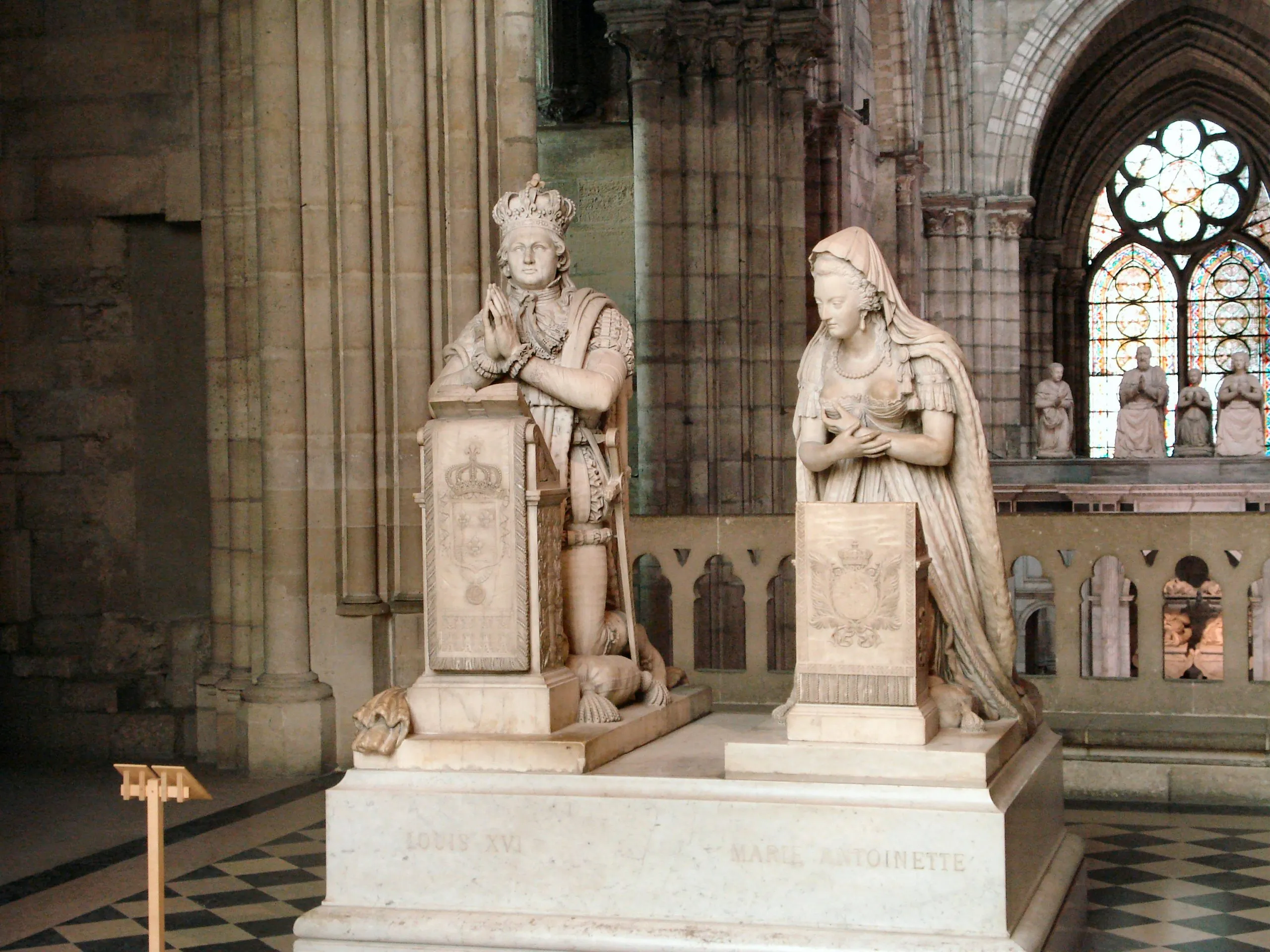
Tomb Statues: Kings and Queens in Stone
Effigies as pedagogy: posture, regalia, and gaze in the statues of Saint‑Denis’s royal dead.
→
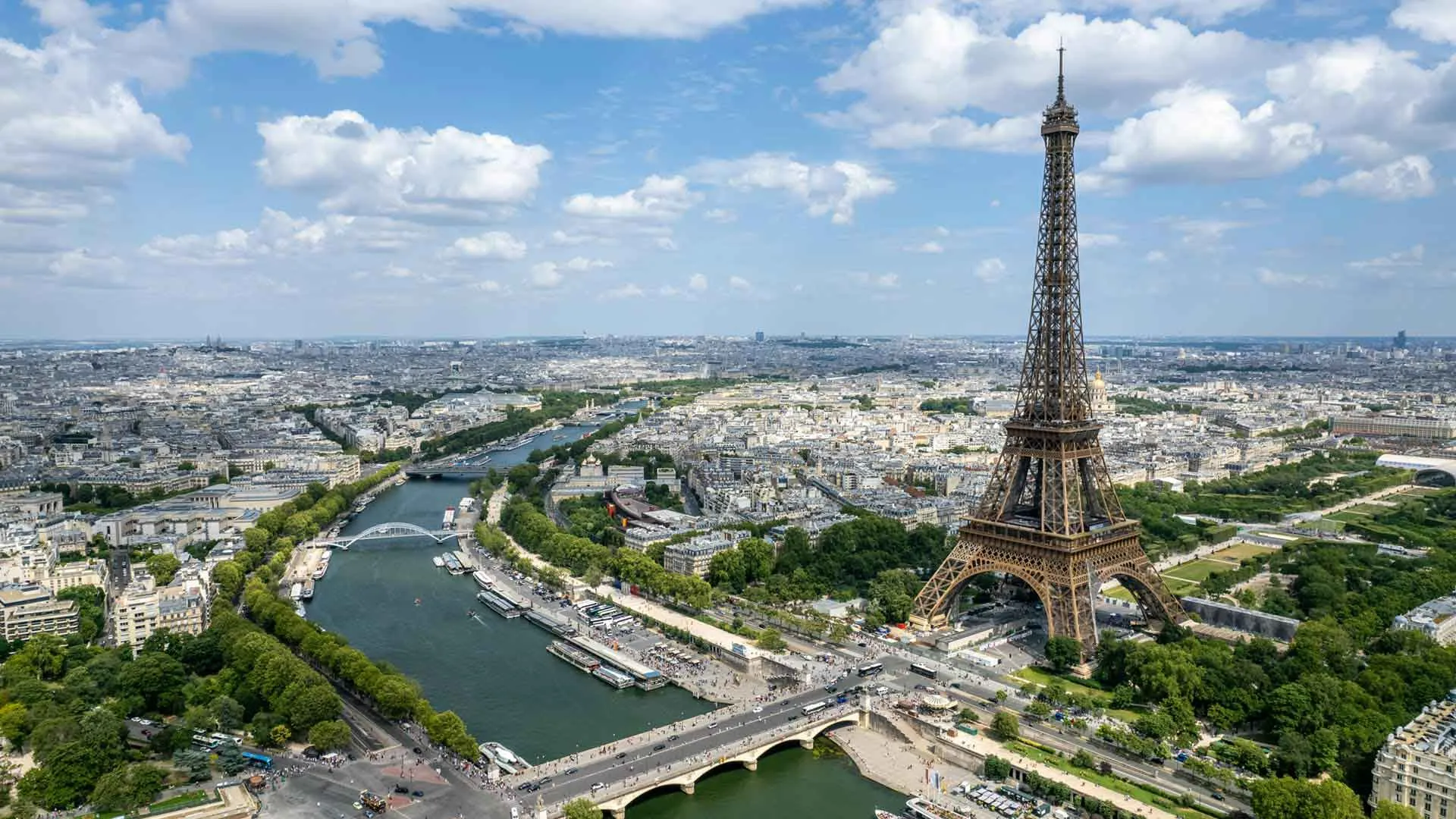
Urban Context: The Basilique in the City of Paris
Pilgrimage, transit, and neighborhood: reading Saint‑Denis as urban anchor and memory field in greater Paris.
→
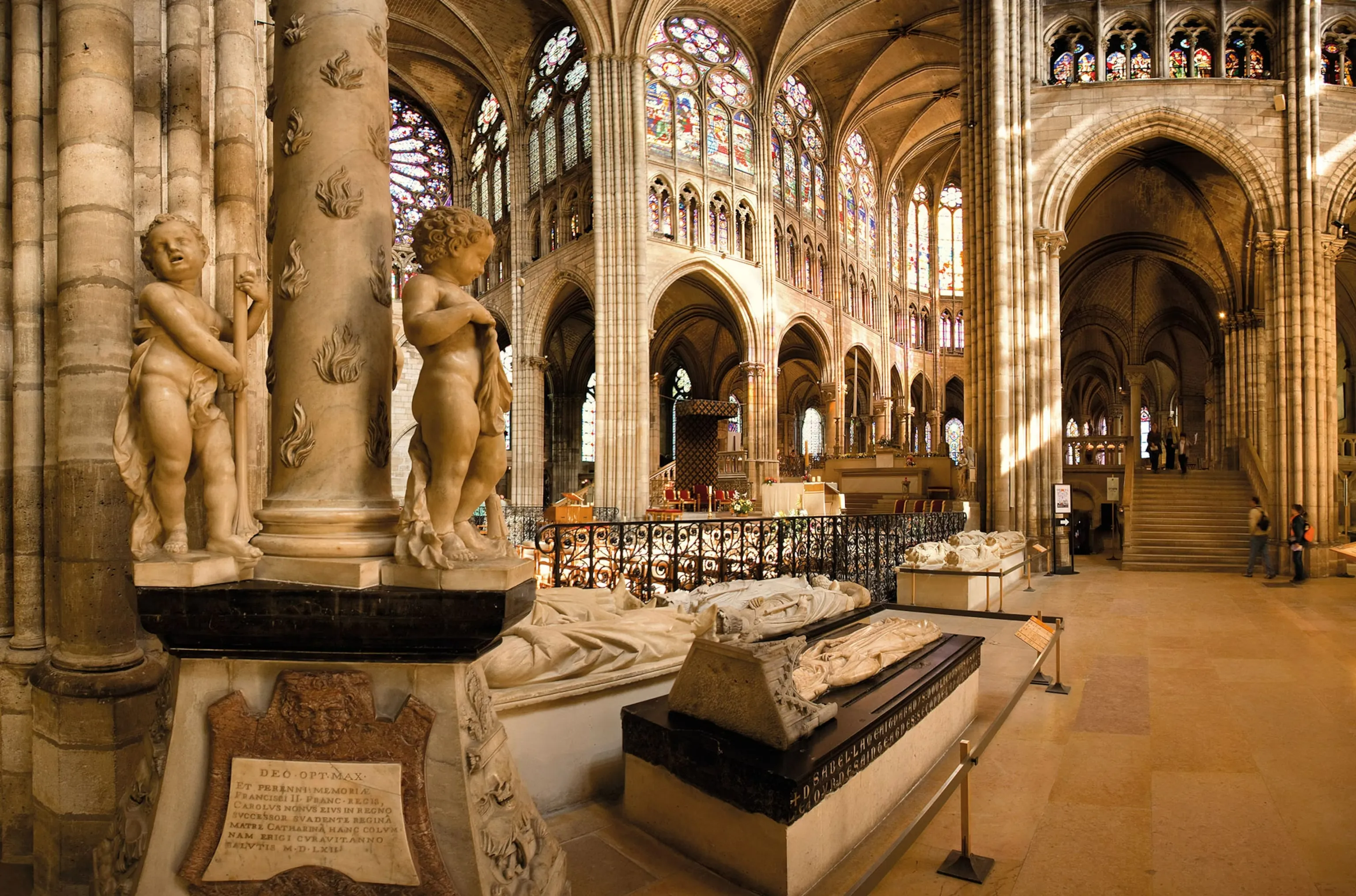
Angels and Motifs: Sculptural Imagery
From capitals to columns: angels, foliage, and emblematic motifs guiding attention and teaching ethics at Saint‑Denis.
→
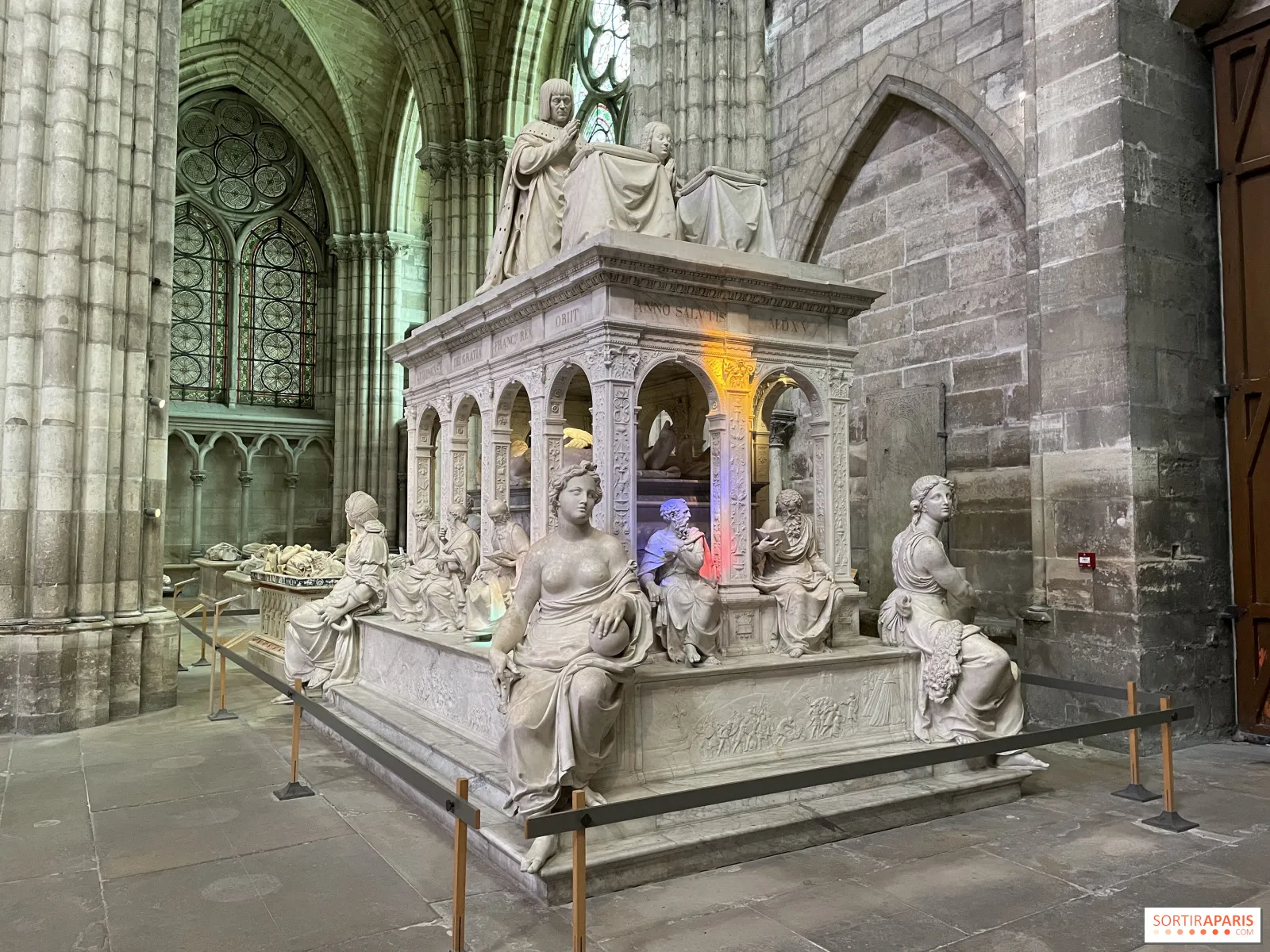
Necropolis Layout: Spatial Organization of Tombs
Mapping tomb clusters, axes, and adjacencies: how space encodes dynastic narratives in the necropolis of Saint‑Denis.
→
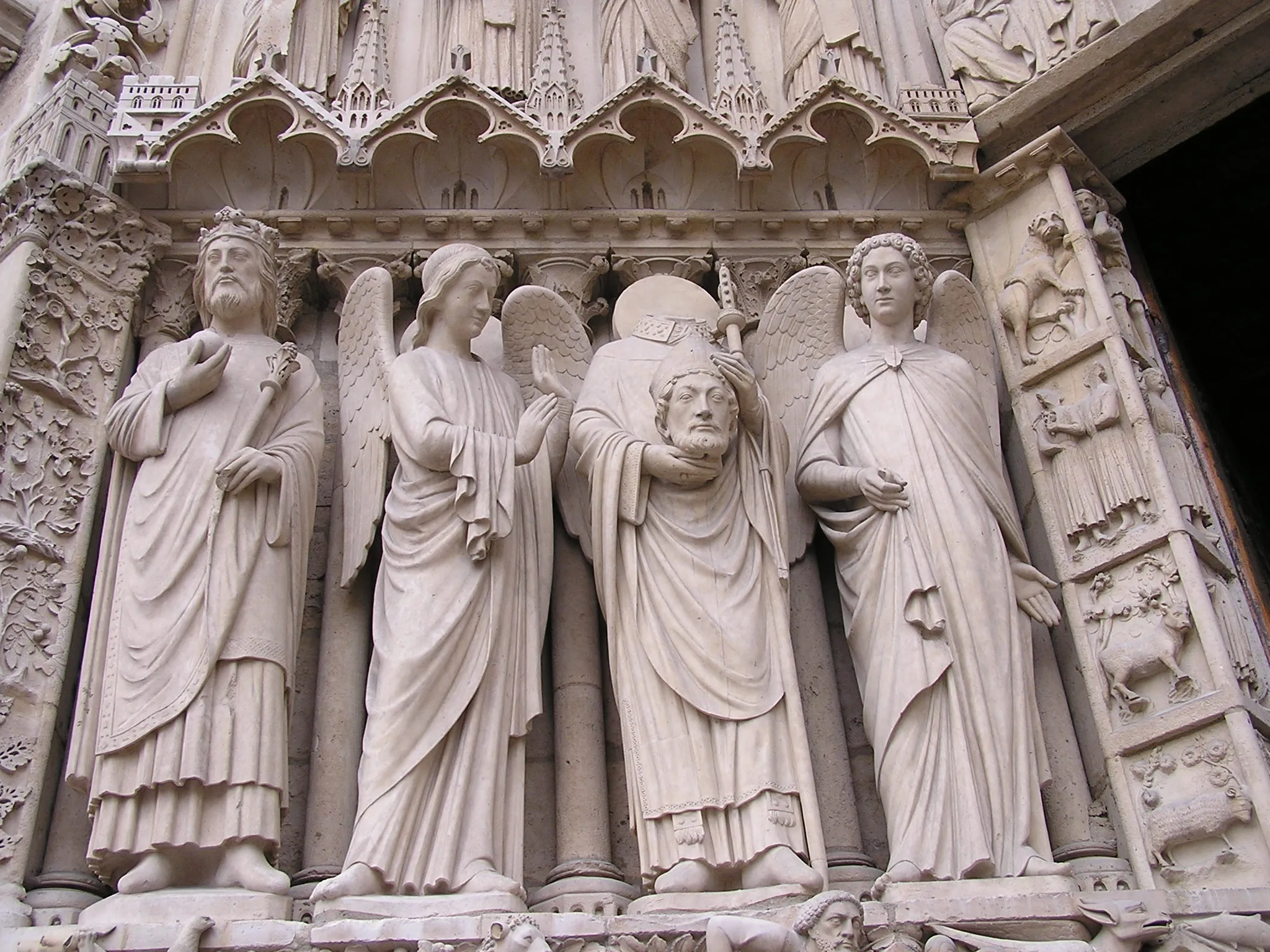
Portals and Thresholds: Catechism in Stone
Entering by learning: how portal sculpture prepares the faithful with doctrine and exempla at Saint‑Denis.
→
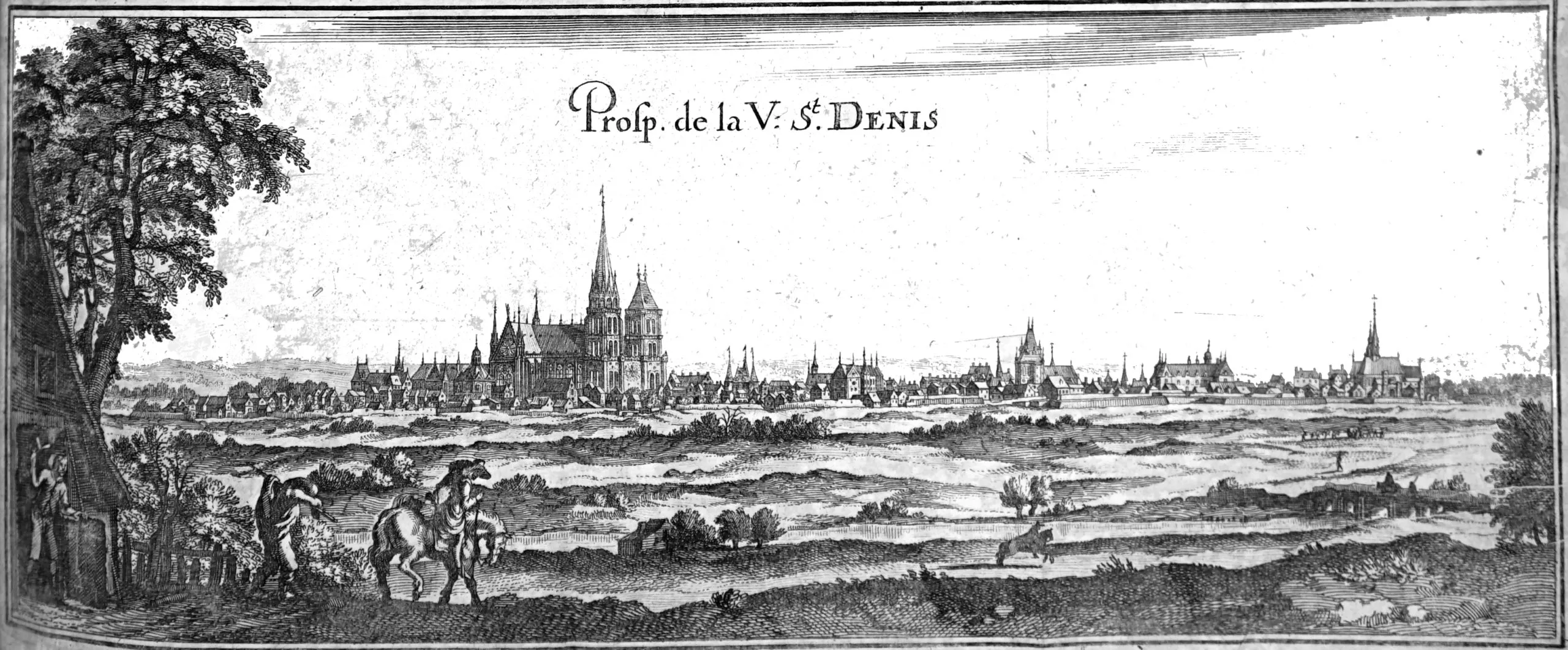
Historical Depictions and Memory
Miniatures, drawings, and engravings: how images document changes and shape memory of Saint‑Denis across centuries.
→
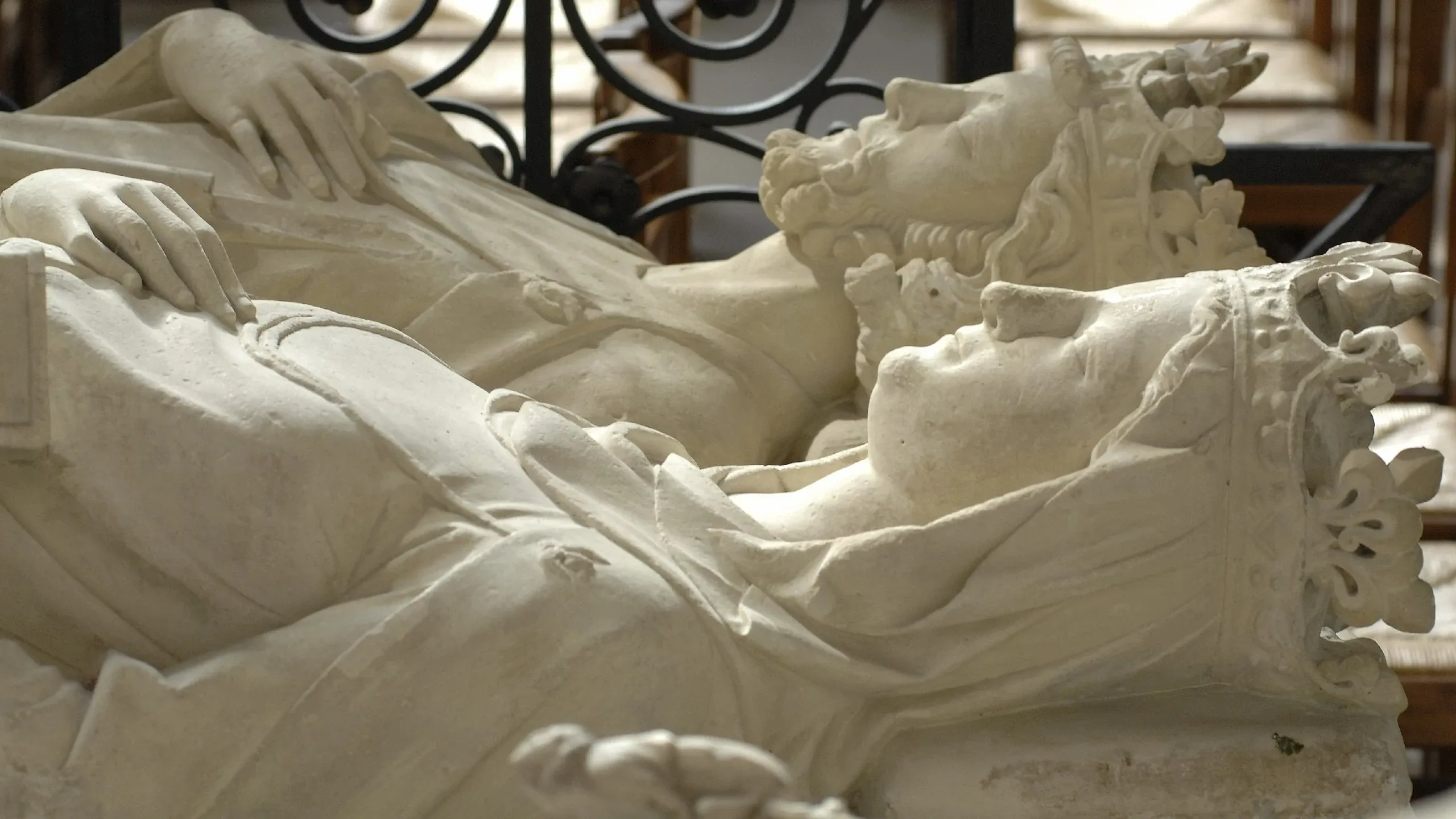
Effigy Details: Faces and Virtues
Close‑reading faces: serenity, gaze, and virtue cues in the effigies of Saint‑Denis’s royal tombs.
→
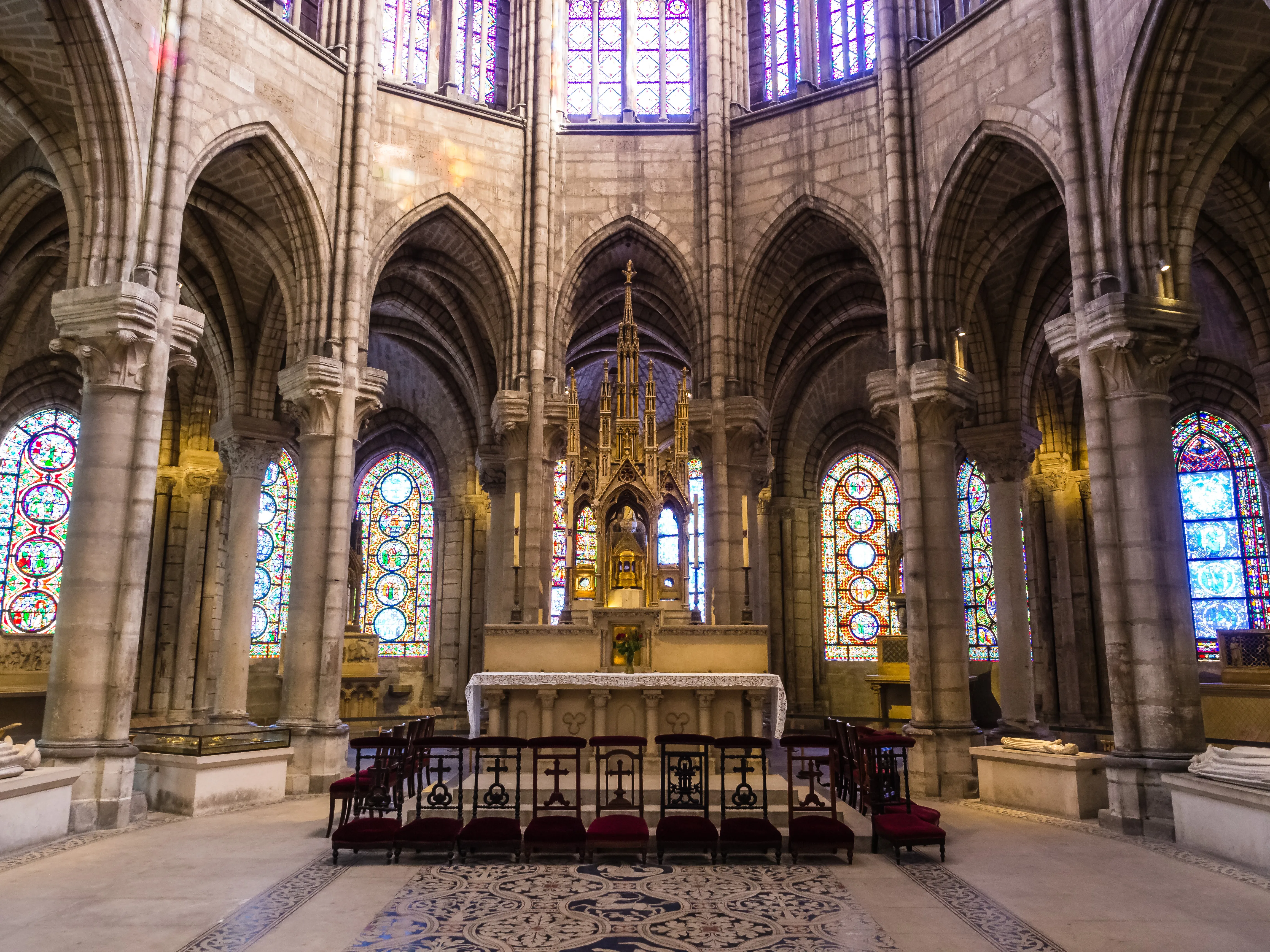
Altars and Ritual Focus
Where action centers: altar placement, visibility, and acoustics steering ritual focus at Saint‑Denis.
→
Columns, Foliage, and Capital Language
Botanical stone: reading foliage patterns and capital languages that animate columns at Saint‑Denis.
→
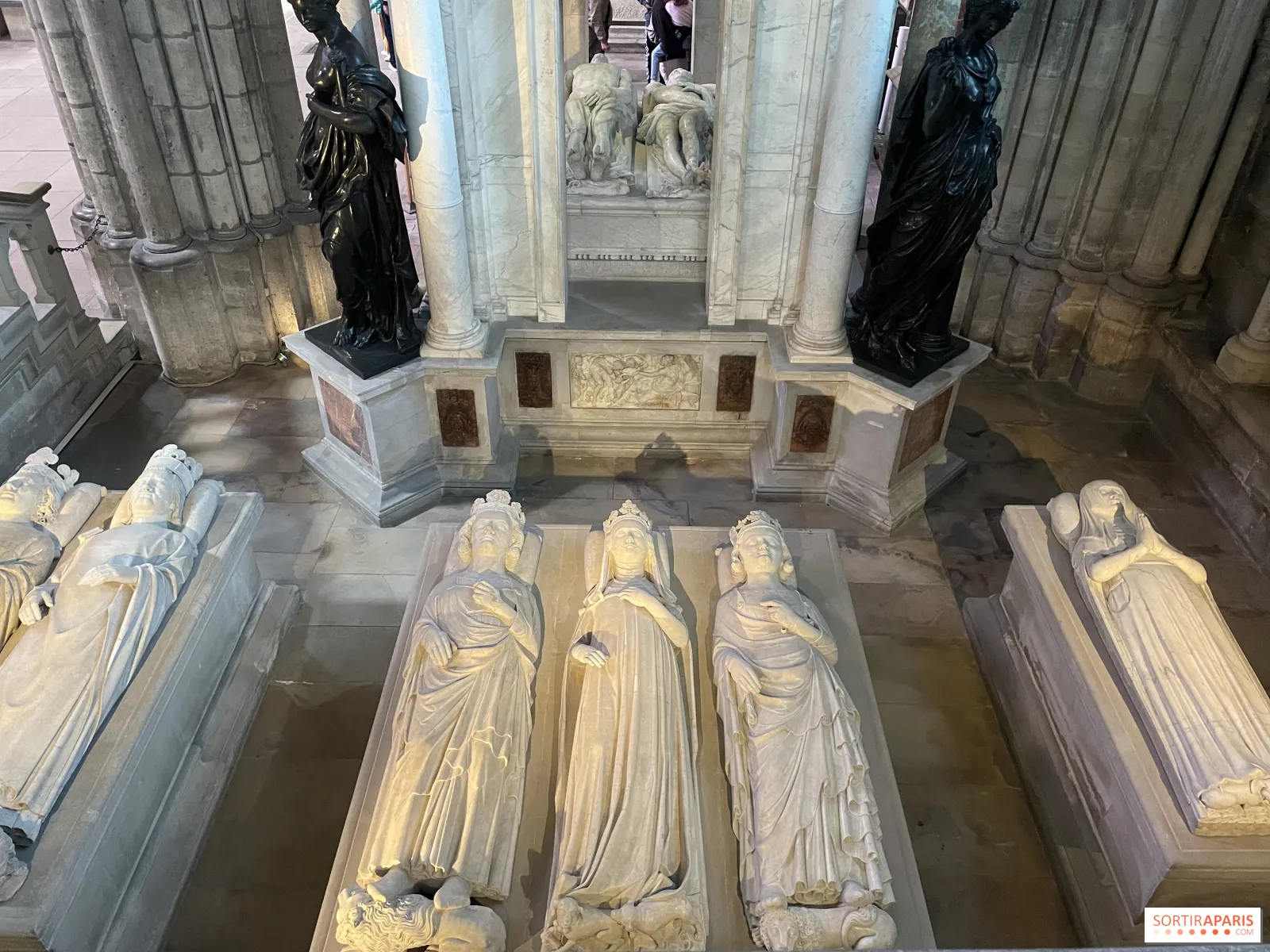
Tomb Fields and Processional Pauses
How tomb fields organize pauses: intersections of liturgy, movement, and memory in Saint‑Denis.
→
Nave–Altar Axis: The Ritual Line
Reading the line from door to altar: axis, tempo, and focal compression in Saint‑Denis.
→
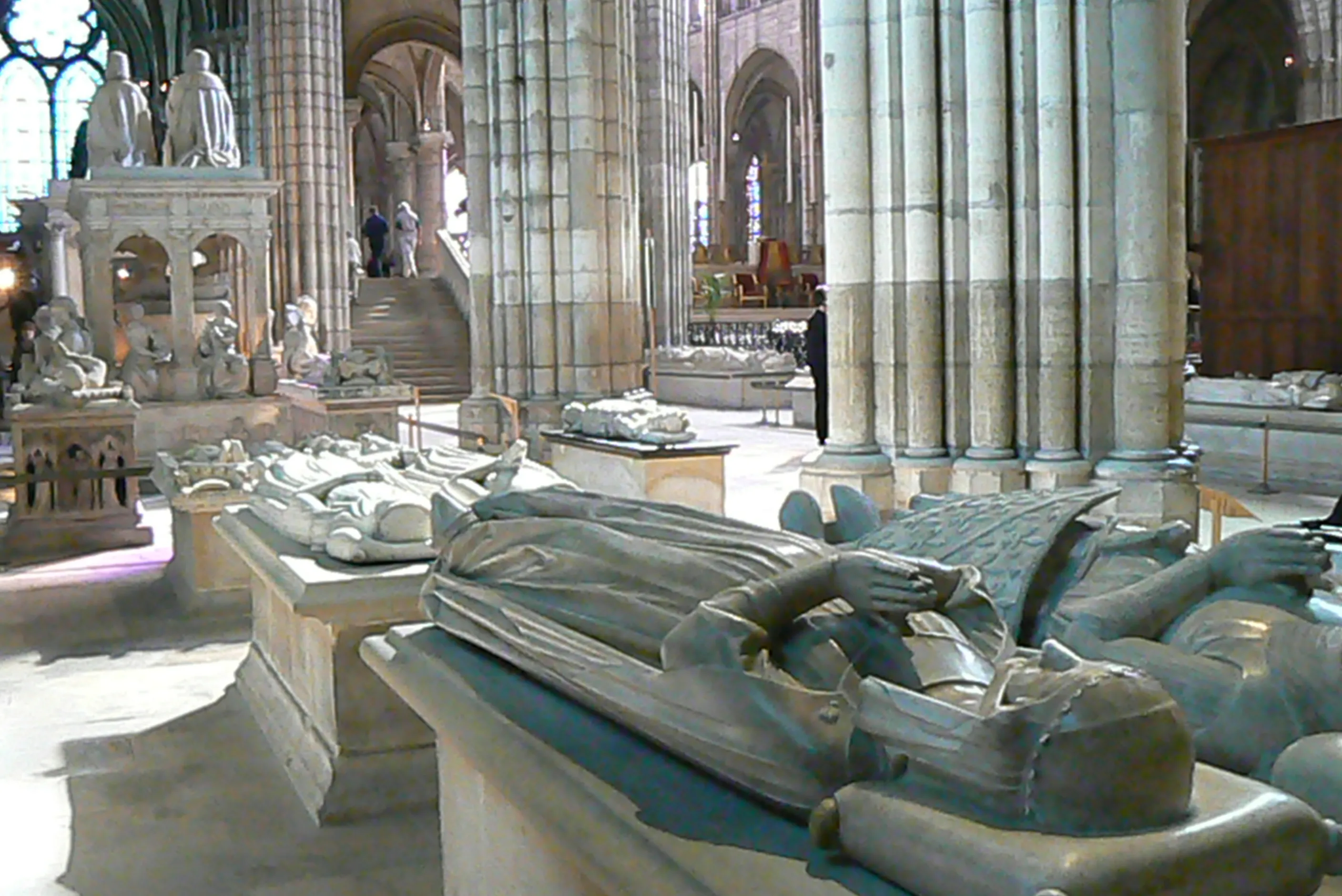
Saint-Denis Family Symbol Missions: 8 Kid Prompts for Tombs, Light, and Royal Memory
A mission-based family route in Saint-Denis Basilica with short prompts that connect architecture, symbols, and history.
→
Saint-Denis Accessibility and Quiet-Route Guide: Transition Control, Seating Pauses, and Focus Retention
A practical accessibility and low-stimulation strategy for Saint-Denis Basilica with route scope control and comfort pacing.
→